14.00 €
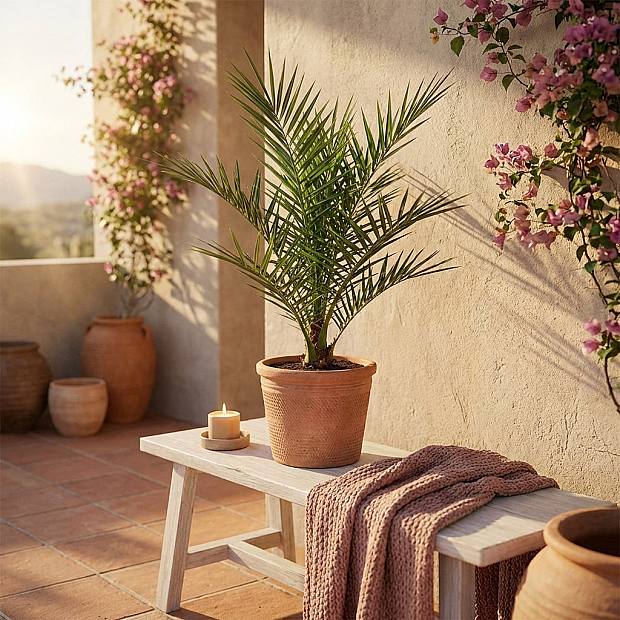
Phoenix canariensis




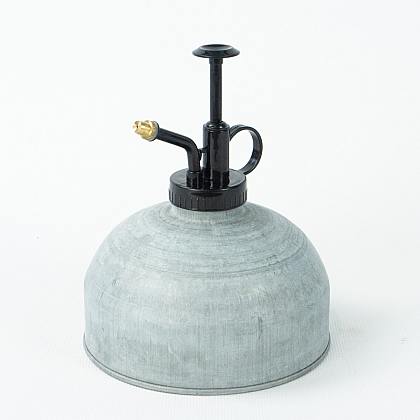
Position your Phoenix Canariensis in a spot that receives bright, indirect sunlight to mimic its natural habitat. Regularly misting the leaves, particularly in dry climates, will help maintain its health and vibrancy. Try pairing this palm with lighter-colored pots and minimalist decor to accentuate its striking features. It's an ideal choice for those wanting to add a touch of nature's grandeur without the hassle of intensive care. Perfect for both indoor and outdoor settings, it effortlessly becomes the centerpiece wherever placed.
This palm is often affectionately called the **"palm of friendship"** due to its presence in many welcoming public spaces. Known for its resilience, the Phoenix Canariensis can grow quite tall if allowed, making it a favorite among plant enthusiasts. Historically, its fruit was once a source of food for ancient civilizations in its native islands.
While it doesn't produce edible dates widely consumed today, its small flowers attract birds, inviting vibrancy and life into any setting. Imagine hosting guests at home with this majestic plant as your backdrop, symbolizing warm hospitality and elegance. It's said that the mere sight of this palm can induce a sense of peace and tranquility, perfect for a relaxing afternoon with a good book or a lively, sunlit gathering with friends. Truly, a delightful addition to any collection.
If your palm is feeling a bit down, it might show signs like browning leaf tips, which could indicate insufficient humidity or underwatering. Yellowing leaves might suggest overwatering or a need for more sunlight. Drooping fronds may also be a call for help, signaling a need for some tender, loving care, perhaps a change in watering schedule or better light exposure. Keep an eye on its posture—it should stand proud and lively!