14.00 €
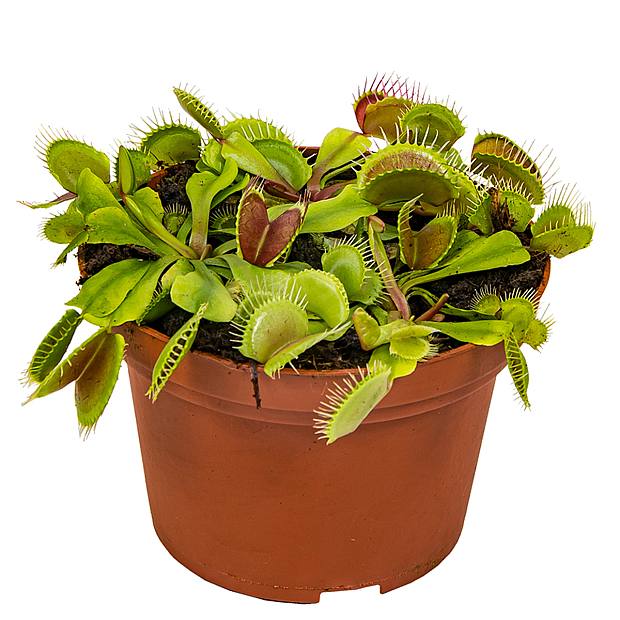
Dionaea Muscipula


Place it in a sunny, humid area, and get creative by grouping it with other carnivorous plants for a spectacular mini ecosystem at home.
Did you know that the Venus Flytrap can count? It waits for two touches before closing its leaves! This ensures that its prey is truly trapped and maximises its chances for a successful catch. After ensnaring its victim, the plant releases digestive enzymes to break down its prey, absorbing essential nutrients in a process that can take over a week to complete. Interestingly, each trap can only close a few times before becoming inactive, making each capture both strategic and precious. Sharing this plant with friends and family offers a wonderful opportunity to delve into nature's amazing adaptations, not to mention the bragging rights of owning one of the planet's most peculiar hunters!
If your Venus Flytrap looks droopy or the traps are turning black, it might be due to overwatering or lack of enough sunlight. Ensure you’re using distilled water and adjusting its light exposure. If the traps are slow to reopen, it might be digesting, so patience is key. Watch for signs, and your plant will thrive.