14.00 €
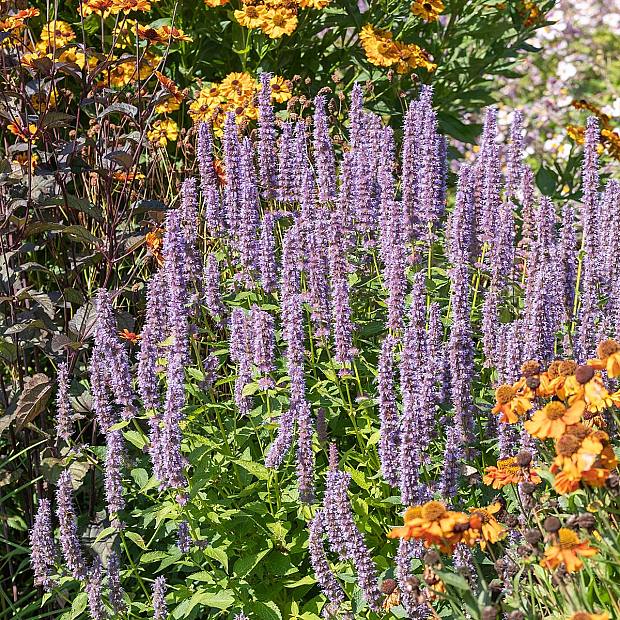
Agastache 'Blue Fortune'




When considering placing the Blue Fortune Agastache in your outdoor design, think about its height and light needs. Place it where it can soak in the sun and be sure it has room to breathe. Prune lightly after blooming to encourage a neat appearance and more flowers. Companion planting with contrasting colors like reds and yellows can enhance its vibrant blue blooms, creating a garden that's alive with color and texture.
The Blue Fortune Agastache is not just a visual delight but also a sensory one! Known for its aromatic leaves, this plant is cherished for its unique anisette-like scent, reminiscent of old-time licorice candy. Gardeners often mention its resilient nature, as it continues to bloom exuberantly throughout the summer, making it a reliable choice. Interestingly, Agastache is part of the mint family, though it’s less aggressive in its spread. Watch as bees and butterflies make a beeline to your garden, transforming your space into a buzzing hub of natural activity. It’s said to be so attractive to bees that some beekeepers plant it nearby to enhance honey production. Embrace this herbaceous perennial, not just for its aesthetic appeal but for the lively and aromatic atmosphere it helps create!
If your Agastache is feeling down, it might show yellowing leaves or fewer blooms. An overly soggy soil could lead to rot, so check your watering schedule. Leaf wilting could indicate it’s longing for sunlight, so a change in location might help. A lack of bees and butterflies might suggest it's not getting enough light or moisture, as these critters are naturally drawn to the flowers’ sweet nectar.