14.00 €
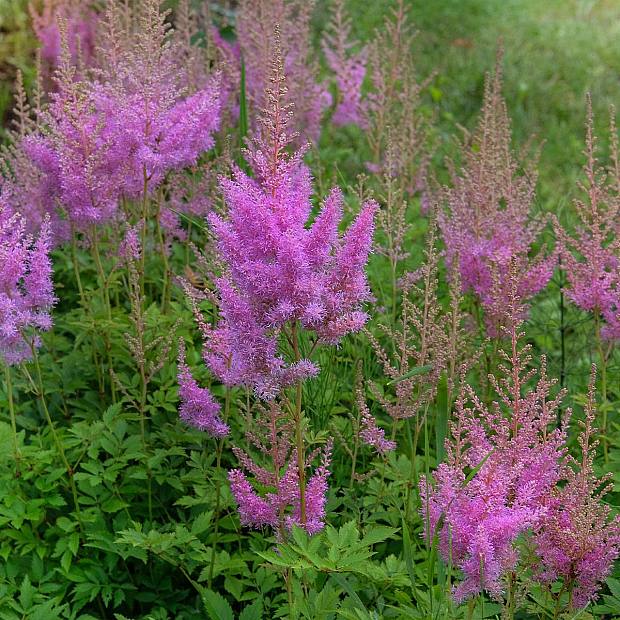
Astilbe chinensis





To keep your Astilbe Pumila looking its best, consider planting it in a spot that receives morning sun and afternoon shade. It's ideal for borders, ground cover, or even as a spotlight in a container. When planting, ensure rich, well-drained soil, and add mulch to maintain moisture. Pair with hostas or ferns for a lush, garden effect.
The Astilbe Pumila has an incredible knack for hosting fun garden parties for the local bee population. Its colorful and fluffy blooms can be irresistible to pollinators, making it a lively addition to your garden. Moreover, did you know that it’s named after the Greek word for 'without brilliance'? This irony aside, there's nothing less brilliant than having this lovely plant grace your flowerbed. Pun lovers delight in the Astilbe, often jesting that its feathery plumes make it the 'feather duster' of the garden, always ready for a gentle breeze to dust away your worries with its soothing appearance.
Your Astilbe might be calling for help if its leaves turn brown or start to wilt. This usually points to insufficient watering or too much direct sunlight. The bright plumes will also lose their luster if they're sunburned or parched. Don’t worry, just give it a little TLC with consistent watering and some shade, and watch it revive with gratitude!