14.00 €
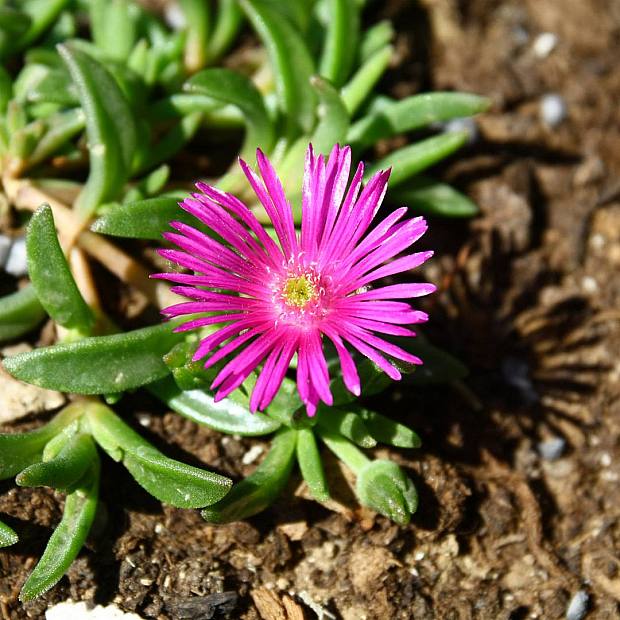
Delosperma cooperi




This resilient beauty thrives best when planted in garden areas with strong sunlight exposure. Consider adding it to a rock garden setting where its cascading stems can spread beautifully. The plant pairs well with other succulents or hardy perennials, creating a stunning visual display. Remember, less is more—overwatering this plant can be detrimental, so ensure soil is dry before watering.
Did you know that the Mountain Delosperma, often called the Ice Plant, gets its nickname not from its preference for chilly conditions but from the glimmering appearance of its foliage, which seems to sparkle like ice in the sunlight? This fascinating feature, combined with its ability to thrive in drought-like conditions, makes it a plant that keeps surprises coming. The flowers of the Delosperma are known to open and close in response to the sun. On bright sunny days, they bloom fully, presenting their spectacular colors, while folding slightly as night approaches or during overcast weather—a unique characteristic that has been entertaining and fascinating plant enthusiasts for generations! This enduring, charming resilience is one of the many reasons why the Mountain Delosperma remains a beloved feature in many gardens worldwide.
If your Mountain Delosperma is not feeling its best, it may show signs such as wilting leaves or discoloration. Yellowing may indicate overwatering, while limpness can mean it needs more sunlight. Checking the soil's moisture and adjusting its location for optimal sunlight exposure can quickly perk this plant back up!