Care Card

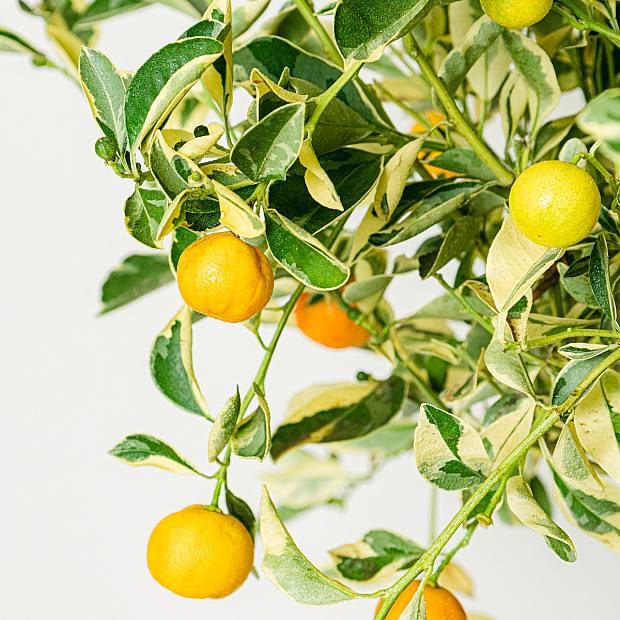
Citrus Variegata

Normal humidity
Normal humidity

Not suitable for pets

Indirect light
Indirect light

Moderate irrigation
Moderate irrigation

Advice

  1. Sun Exposure: Plant your citrus trees in a location that receives at least 6-8 hours of direct sunlight per day.
  2. Well-Drained Soil: Make sure the soil has good drainage to avoid waterlogging, which can be detrimental to the roots.
  3. Regular Watering: Provide regular watering, especially during dry periods. Keep the soil evenly moist, but avoid over-watering.
  4. Fertilize: Use a balanced fertilizer designed for citrus and apply according to the manufacturer's recommendations. Fertilize in spring and summer.
  5. Moderate Pruning: Prune lightly to shape the tree and remove dead or diseased branches. Avoid excessive pruning to avoid stressing the tree.

Fun facts

Signs of weakness

  1. Leaf discolouration: Abnormal yellowing of leaves may be a sign of nutritional deficiencies, diseases or root problems.
  2. Leaf spots: Irregular spots, deformities or necrosis on leaves may be due to fungal, bacterial or viral diseases.
  3. Premature Leaf Drop: Early leaf drop may be an indicator of water stress, disease or root system problems.
  4. Abnormal growth: Changes in growth pattern, such as lack of new shoots, may indicate root problems or nutritional deficiencies.
  5. Pests: The presence of pests such as spider mites, aphids or beetles can affect the health of citrus trees.
  6. Abnormal Fruit: Small, malformed or unusually discoloured fruit can be signs of tree health problems.
  7. Branch Dieback: Death of branches or sections of the tree can be a symptom of disease or water stress.
  8. Trunk Lesions: Cracks, ulcers or lesions on the trunk may be signs of structural problems or infections.
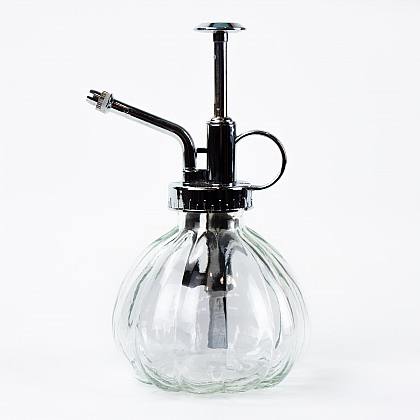
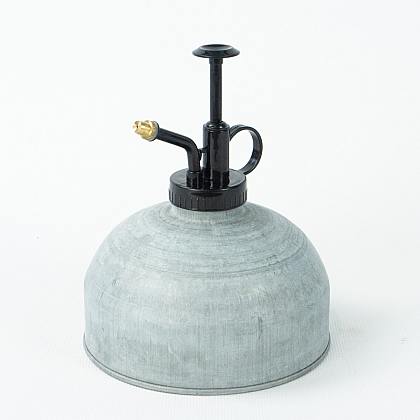
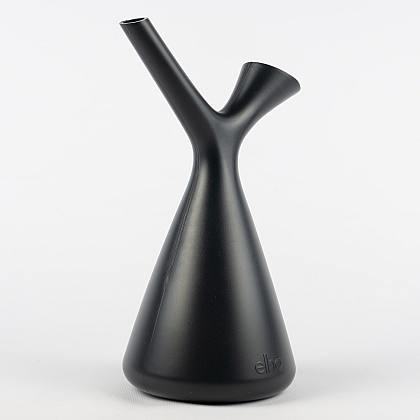
Our care products

Copyright FloraQueen Flowering the World S.L. 2002 - 2026 ALL RIGHTS RESERVED

Carrer de Frederic Mompou, 3, 08960 Sant Just Desvern, Barcelona