Light: Provide direct sunlight for at least 6 hours a day. Place the plant in bright light but avoid exposure to intense direct sunlight during the hottest hours of the day.
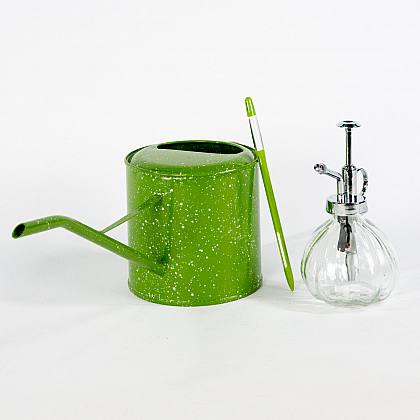
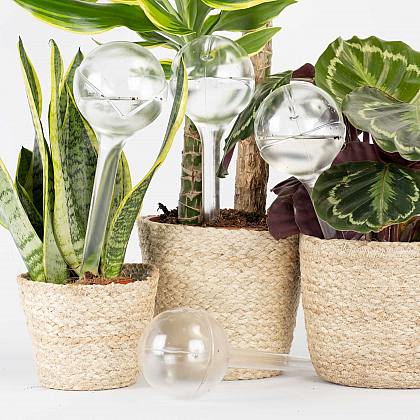
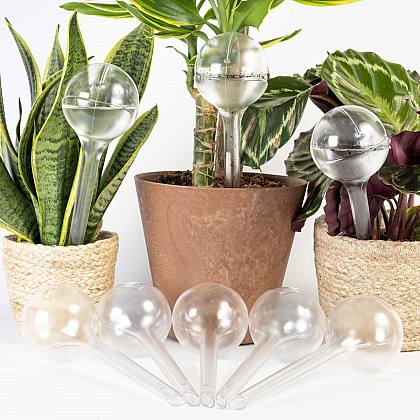
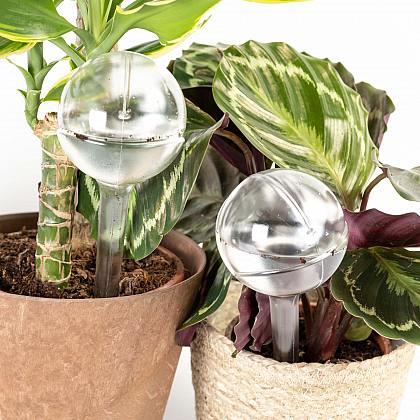
Watering: Keep the substrate slightly moist, but avoid waterlogging. Allow the top layer of the substrate to dry out before watering again. Make sure the pot has good drainage to avoid root problems.
Humidity: Tolerates moderate levels of humidity, but is not critical to its well-being.
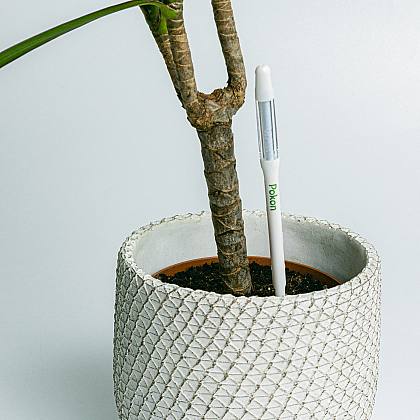
Fertilisation: During the growing season, fertilise with a balanced citrus-specific fertiliser. Follow the manufacturer's instructions and avoid over-fertilisation.
Temperature: Tolerates warm temperatures and prefers to avoid cold draughts. Keep the plant in a warm and protected environment.
Pruning: Perform light pruning to shape the plant and remove dead or diseased growth. This can also help improve air circulation.
Pest Control: Regularly inspect the plant for pests and deal with them immediately if found.
Substrate: Use a well-drained, good quality substrate. Citrus prefer slightly acidic soils.
Winter Protection: In colder climates, protect the plant from extreme cold and frost. Consider moving it to a sheltered location or providing additional protection.
Signs of weakness
Yellow leaves: May indicate watering problems, insufficient nutrients or possibly disease.
Premature Leaf Drop: May be due to sudden temperature changes, lack of light, water stress or root problems.
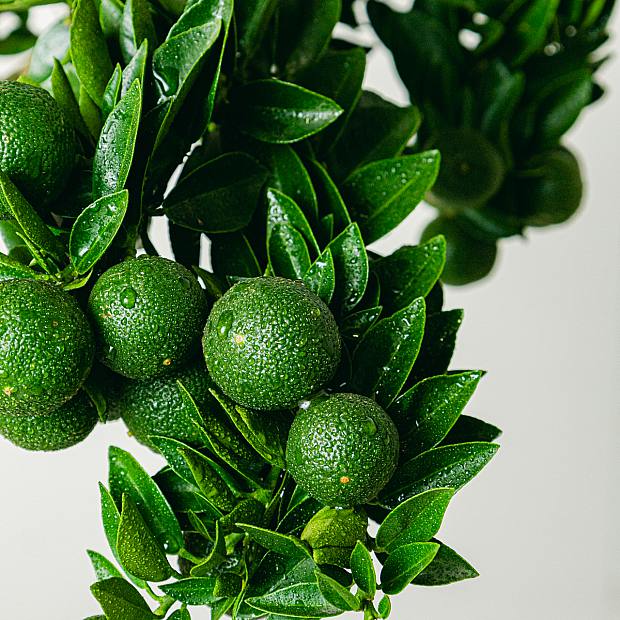
Wrinkled fruit or fruit development problems: Problems with fruit formation could be the result of insufficient pollination, lack of nutrients or environmental stress.
Leaf Spots: Brown or yellow spots may be signs of disease, sunburn or irrigation problems.
Slow or Weak Growth: May indicate nutritional deficiencies, substrate problems or unfavourable environmental conditions.