Free delivery
65.00 €
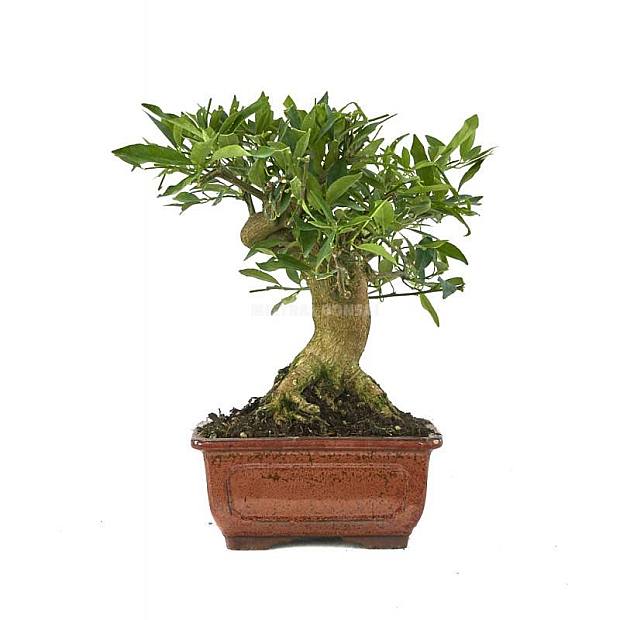
Citrus × floridana




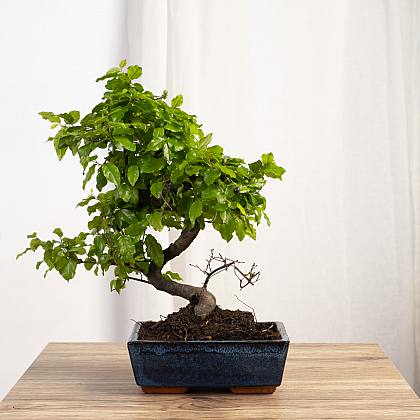
To make your Limequat Bonsai a true showstopper, place it on a sleek, uncluttered surface where its intricate form can be fully appreciated. A minimalist wooden side table or a bright kitchen counter are perfect spots. Remember to rotate your bonsai a quarter turn each week. This ensures that all parts of the plant receive equal sunlight, promoting balanced, symmetrical growth and preventing it from leaning towards the light source. If you're lucky enough to get fruit, don't be shy! These tiny limequats are a chef's delight, perfect for garnishing a cool drink or making a small batch of unique, tangy marmalade.
The Limequat is a true horticultural success story, born from a desire to blend the best of two citrus worlds. It was created in 1909 in Florida by Walter Tennyson Swingle, a botanist who famously experimented with cross-pollinating citrus fruits. The result, this charming hybrid of the Key Lime and the Kumquat, is a marvel of nature and science. Its name itself is a 'portmanteau,' a word blended from its two parents. What makes the Limequat truly special is that, like its kumquat parent, the entire fruit is edible—peel and all! The rind is sweet, while the pulp inside provides that classic, tangy lime kick. In the world of Feng Shui, citrus trees are highly regarded symbols of abundance, prosperity, and good fortune. Bringing a Limequat bonsai into your home is therefore seen as an invitation for positive energy and wealth. It is a tiny tree with a big history and even bigger symbolic meaning, making it a truly fascinating and conversation-starting addition to any space. It’s not just a plant; it's a piece of botanical history you can grow on your windowsill.
Is your bonsai sending out an S.O.S.? Here is how to read its dramatic signals: