
Care of the Potted Lemon Tree
One of my lifelong dreams is to go to my garden to gather the ingredients for whatever I'm cooking. I've managed quite well with aromatic herbs, but I wanted to take a step further: I needed a fruit tree. After much research, I discovered that the lemon tree is the best option, not only because it is a hardy and easy-to-care-for plant, but also because it can be planted in pots and bear fruit, even indoors.
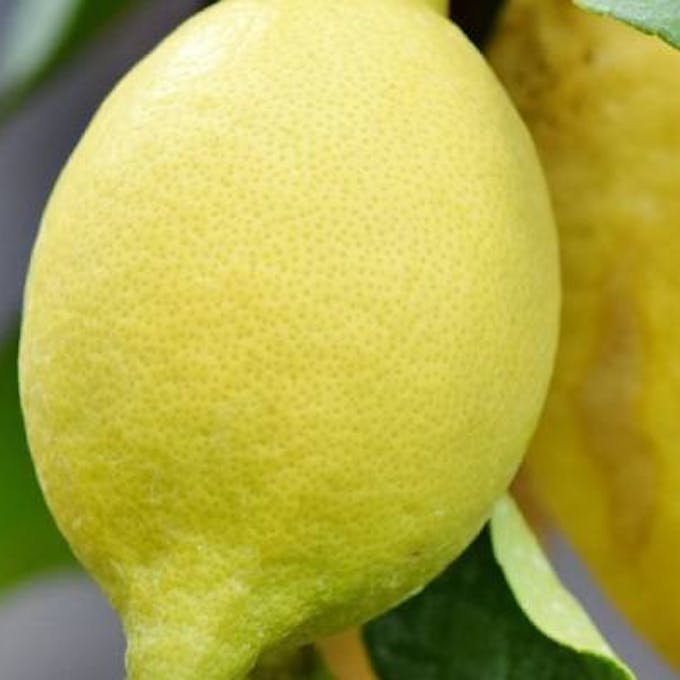
There are no more excuses, even if you live in a flat, you can make yourself a delicious lemonade (or a jug of margaritas, for who am I to judge your tastes and needs) with lemons from your own harvest. We will tell you everything you need to know to have it beautiful, fragrant, and laden with fruit every year.

Everything You Need to Know About the Lemon Tree
This is an ancient plant with a lot of history. It is believed that this fragrant tree originates from South and Southeast Asia, well known for the antiseptic properties of its fruit. It spread to Persia, Egypt, and entered the European continent around the 1st century BC, during the time of the ancient Romans. It was not until after the Arab conquest that it began to be widely cultivated, especially in the Mediterranean area which is perfect for its growth. By the 15th century, it was taken to America on one of Columbus's voyages and its cultivation continued to expand. It is no wonder it is considered one of the most important fruit trees on the planet.
The citrus limon, which is its scientific name, is an evergreen fruit tree characterised by its rounded crown, numerous branches, and pronounced thorns. It produces beautiful white flowers called blossoms, very fragrant, though smaller than those of the orange. The leaves are intensely green, shiny, oval-shaped, elongated, and have a delightful smell of lemon. The trunk is covered with thick, short thorns, so you must be careful when moving or pruning it.
There are many species of lemon trees, and while these small trees can grow up to 6 metres high, they can reach just 2 metres in a pot. This is because this species tolerates pruning very well, and its roots do not need to extend too much, they are not invasive at all (which is why they are planted near buildings and pipes without major problems outside) and will grow happily and contentedly.
In Spain, lemons are produced almost all year round, mainly due to the plant's different varieties, and if the climatic conditions are ideal, the tree can bloom all year, providing plenty of fruit. If you're lucky enough to live in a Mediterranean climate, you'll find that the biggest lemon harvest will be in the autumn, winter, and spring. In the Iberian Peninsula, the Fino, Verna, and Betera varieties are well known. The Verna variety stands out because it has fewer thorns than other varieties like the Fino, and its lemons have virtually no seeds and have thicker skin. The Fino or table lemon has a bit more juice and a thinner skin.
Can Lemons Be Grown in Pots?
Of course, it's possible to grow a lemon tree in a pot; in fact, they can even thrive more because the conditions inside the house are more stable and controlled. Outdoors, your little tree is subject to the whims of the environment, plus the tree will be more exposed to pests and other problems that will endanger your harvest, but these variables disappear once you bring the plant indoors.
The first step is to prepare the pot and substrate for your new, fragrant friend. It's important to remember that this process of preparing a new pot and substrate should be repeated every year or every 2 years, because the lemon tree is a plant that requires many resources to bear fruit, so it's normal for it to deplete those available in the substrate. For this reason, it is recommended to repot every so often during spring, as this will also give it a bit more space to grow in all its splendour.
Preparing the pot for your lemon tree
Size matters
The size of the pot is crucial because it determines the space your little tree will have to grow and develop; however, you shouldn't exaggerate because over-potting into a giant pot may cause excess moisture which can rot the roots. The size of the pot will always depend on the size of the plant you've acquired. For your lemon tree, choose a pot that's as tall as it is deep. Measure the diameter of the pot (or polyethylene bag) it was sold in, and add about 10 extra centimetres. That is, if they gave you a 20 cm container, you can move it to one of 30 or 35 cm in diameter and about 30 cm high.
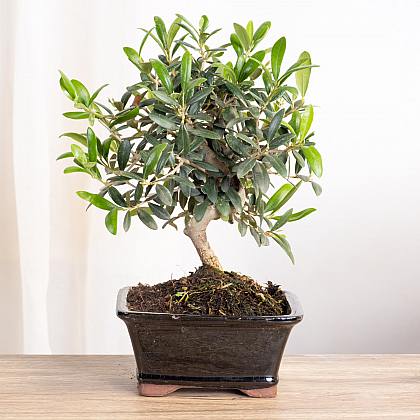
Regarding the material, plastic is good because it helps retain some heat in the roots and that's something that makes the lemon tree very happy, although if you're more into terracotta pots, you can use them although you should know that the water evaporates faster. You can always use a decorative planter anyway.
Secrets for the bottom
The first layer that you add in the pot must be of a material that facilitates water elimination and prevents waterlogging. There are several to choose from, from expanded clay, pebbles to volcanic gravel. I prefer to use small pieces of polystyrene (styrofoam, expanded polystyrene) that I've recycled from packaging, because not only am I preventing them from polluting the environment (yay!) but they also make the pot a bit lighter, do a great job, and don't degrade over time. On top of this, I place about 3 or 4 handfuls of compost, stir it to remove any air bubbles, and add a bit of substrate.
Prepare the substrate
The substrate for your lemon tree must be very nutritious, slightly acidic, and retain some moisture without becoming waterlogged. Some people go straight for garden substrate, which are pre-made mixes for this type of plant, or you can make your own mix. It's recommended to use 30% compost or organic fertiliser, 30% universal/garden substrate, 20% black peat, and 20% perlite. The important thing is that it contains some organic fertiliser to boost its development.
Plant your lemon tree
Remove the lemon tree from its previous pot or cut the plastic containing it. Place the entire root ball in the centre of the pot and add around it the substrate you've prepared until the pot is filled, placing about 5 cm of new substrate on top. Water thoroughly until the water runs out through the drainage holes.
Mulch
Some people cover the base of the plant and the surrounding soil with organic mulch, not only to conserve moisture better but also to prevent weed growth. For this, you can use dry leaves, gravel, wood shavings, bark, or moss.
Caring for potted lemon trees
Watering
To produce beautiful and juicy lemons, your lemon tree requires a lot of water. Watering your plant should be quite frequent and abundant, but taking care not to waterlog the substrate. We could say that it is sufficient to water it every 2 days in the warm season and reduce to every 3 days during the cooler season, but this will depend on where it is located and the environmental conditions. The best indicator will be the substrate.
Check the moisture of the substrate before watering, using a wooden stick (disposable sushi sticks are great for this). If the stick comes out dry, the substrate is dry and needs water. If the soil sticks to it, then you can wait one more day. Another option is to acquire a terracotta watering sensor. There are some cute ones in the shape of a little worm that will decorate your plant and help you to know for sure when it is thirsty.
Lighting
With lemon trees, it's the same as with properties, it all comes down to location. The lemon tree is a full sun plant, but initially your small lemon tree should be in partial shade, although in a well-lit space. This is while it adjusts to the environmental conditions of its new home. When you see new leaves start to grow, it's time to move it to a place where it gets full sun. The goal is for it to receive at least about 5 full hours of sun. If you can position it facing south, that would be perfect.
If you can place it on a terrace, balcony, or near a window it would be wonderful, but if you happen to live in a flat that has cave-like qualities or is oriented where it doesn’t get good sunlight, you can use a UV lamp. Technology is your ally.
Humidity
A potted lemon tree will require at least 50% ambient humidity to stay looking fresh and keen to fill itself with flowers. You can mist it a bit, although I prefer to surround it with other plants that help balance the humidity and use small dishes with water and pebbles. If it's indoors and the air conditioning dries out the environment too much, it’s time to acquire a small humidifier, plus your skin will thank you too.
Temperature
Lemon trees are perennial plants that bloom almost all year if kept in a warm and suitable climate. Cold is the main enemy of your little tree, so any frost that lowers the temperature below zero will be a fatal risk. The optimum temperatures for lemon cultivation are between 10° to 30°C. If winters get harsh in the region where you live, then you should protect the pot indoors. If this is your case, you can get a pot or plant base with wheels to facilitate transportation.
Pruning
Pruning your lemon tree will stimulate its growth, flowering, and give it shape. You should prune it more or less regularly. Use a very clean and disinfected pruning shears and proceed without fear, because this is beneficial for your little tree. I usually prune the lower branches of the lemon tree, so it doesn't have such a bushy appearance, but rather so the crown is distinctly separate from the trunk. This also allows it to have a better shape, and look fuller and more handsome.
Prune the branches that stick out or have grown more than the others. Make the cuts just above the bud of the branch, as this helps to keep it compact and firm. If you see a branch growing right at the base of the trunk, cut it immediately so that it doesn't deform the lemon tree. Also remove any branches that appear weak, dead leaves, and clean the internal branches so that light can penetrate to the centre.
Fertiliser
If you want large, attractive lemons full of juice for your lemonades (and mojitos), you can't skimp on fertiliser. Fertilise your small lemon tree from spring until summer, preferably with organic fertilisers such as guano because they are absorbed quickly and have the perfect balance to feed your little tree. There are slow-release fertilisers specially for citrus that are excellent, but you must be very careful with these products if you use them on potted lemon trees because they can have a concentration that is too high for the plant and can kill it.
Pests
Lemon trees, even when indoors, are susceptible to pests such as scale insects, aphids, and red spider mites. You can prevent attacks by maintaining adequate humidity levels (as dry environments attract red spider mites and mites) and using Neem oil and/or potassium soap, which are particularly effective in eliminating these troublesome pests. In case your lemon tree falls victim to these invaders, you can use multipurpose insecticides to eliminate them forever.