From
Free delivery
42.00 €
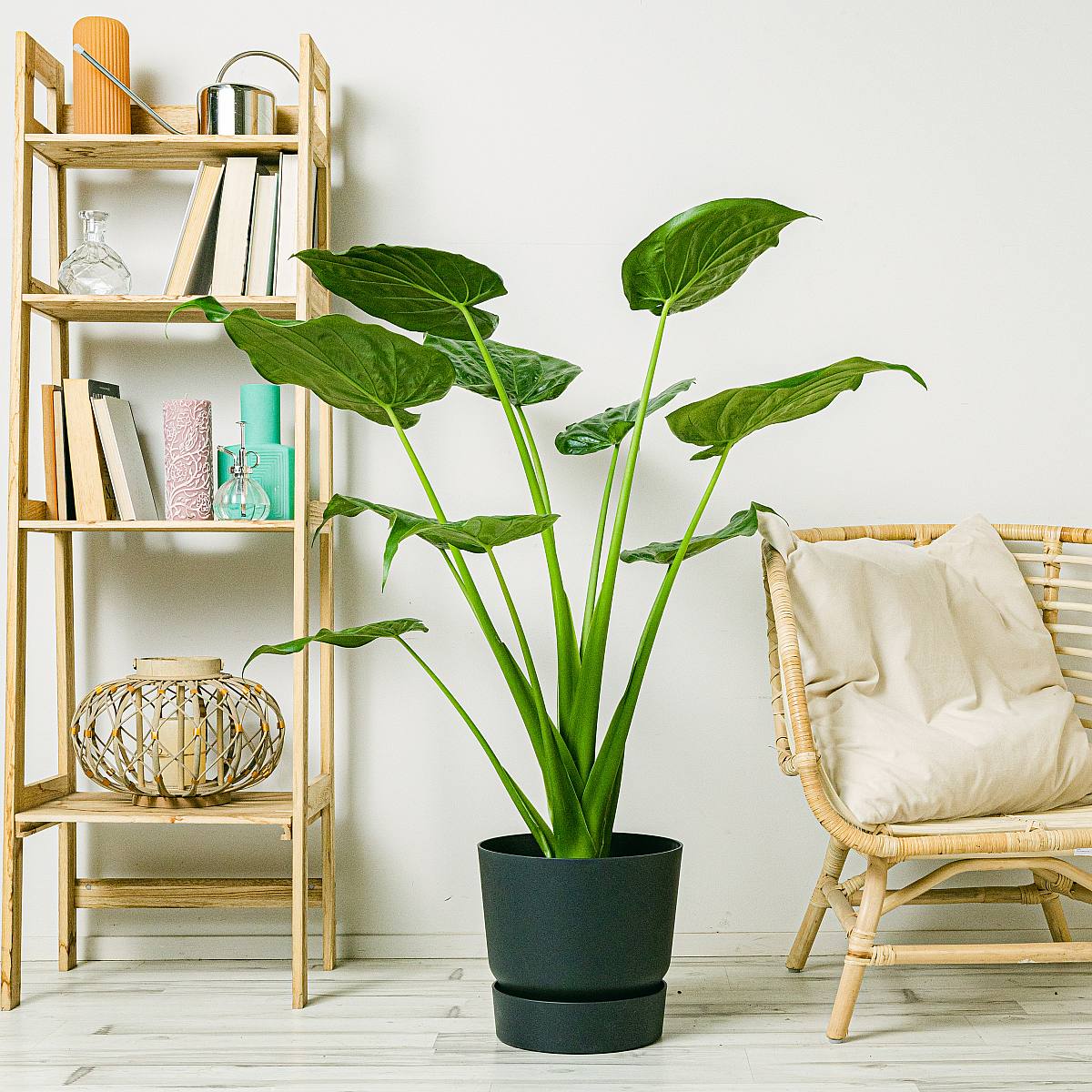
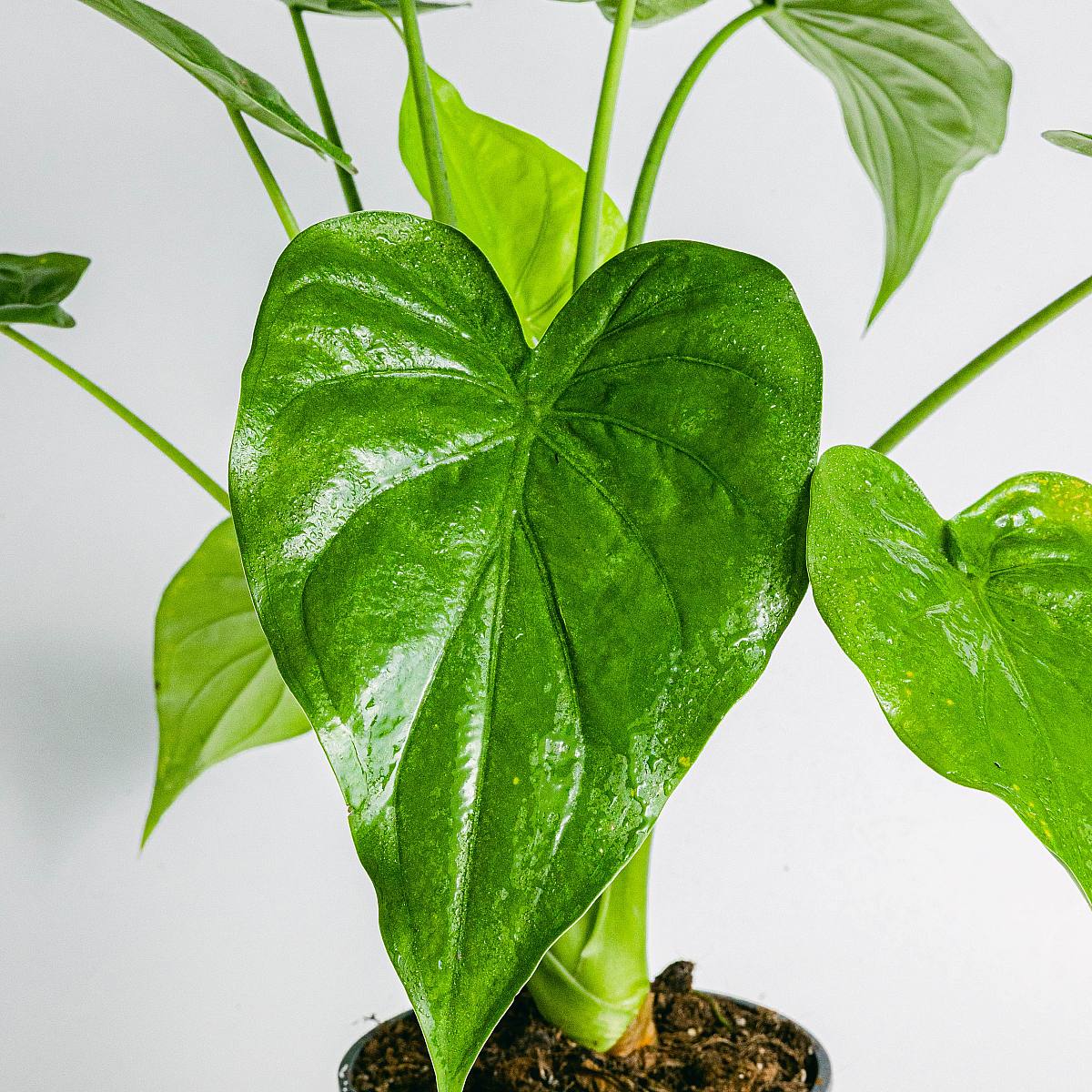






In Southeast Asian Buddhism the cucullata is considered a sacred plant and is grown at temples as a charm for protection and prosperity. Its hood-shaped leaves (cucullata = hooded) recall hands joined in prayer.
Yes, like every Alocasia. It contains calcium oxalate crystals that cause severe oral irritation, intense salivation, vomiting and difficulty swallowing. Toxicity is high and symptoms appear within minutes of chewing the plant.
Yes. Together with the zebrina, the cucullata is the most tolerant Alocasia of indoor conditions: it copes with less bright light, moderate humidity and irregular watering better than its more exotic cousins (cuprea, amazonica).
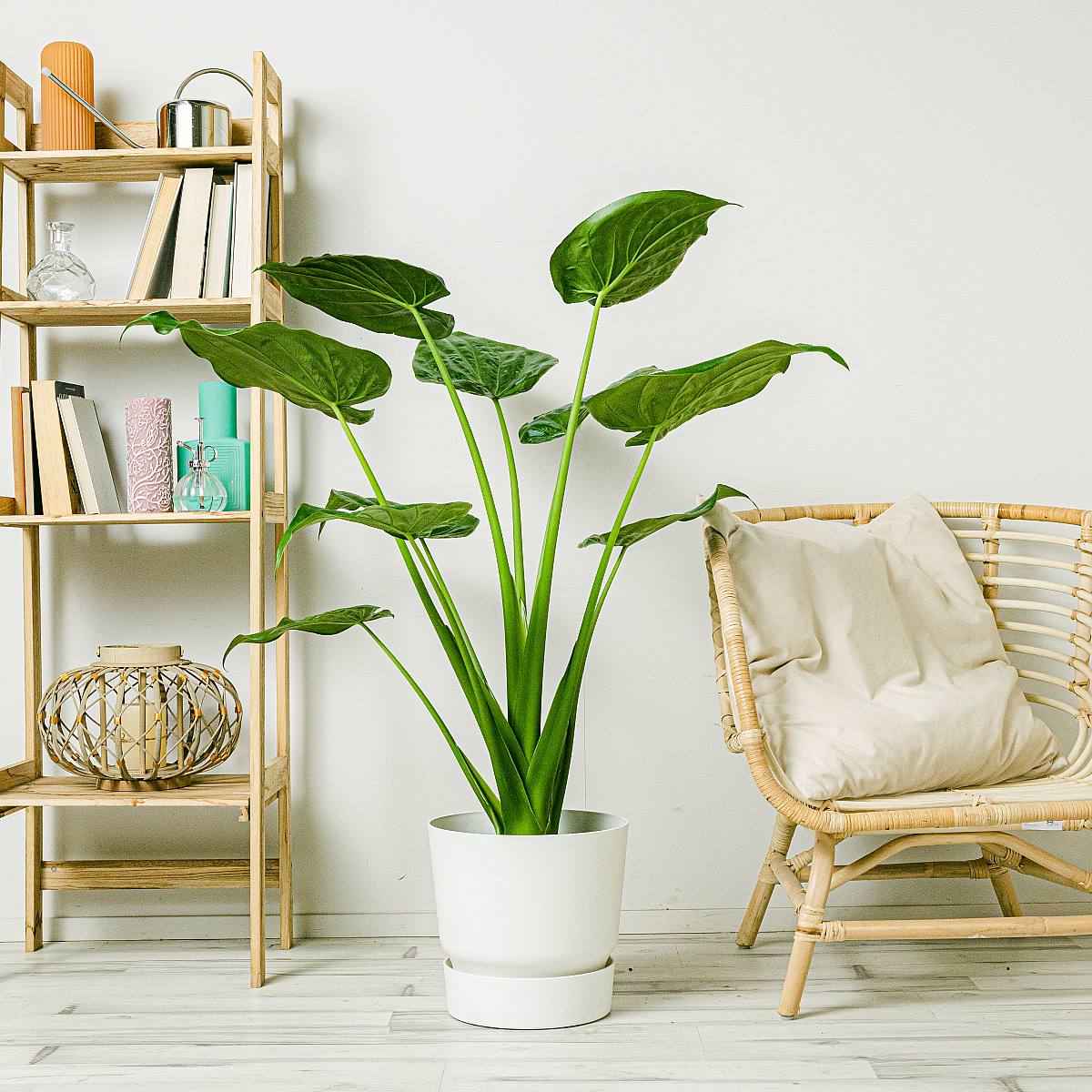
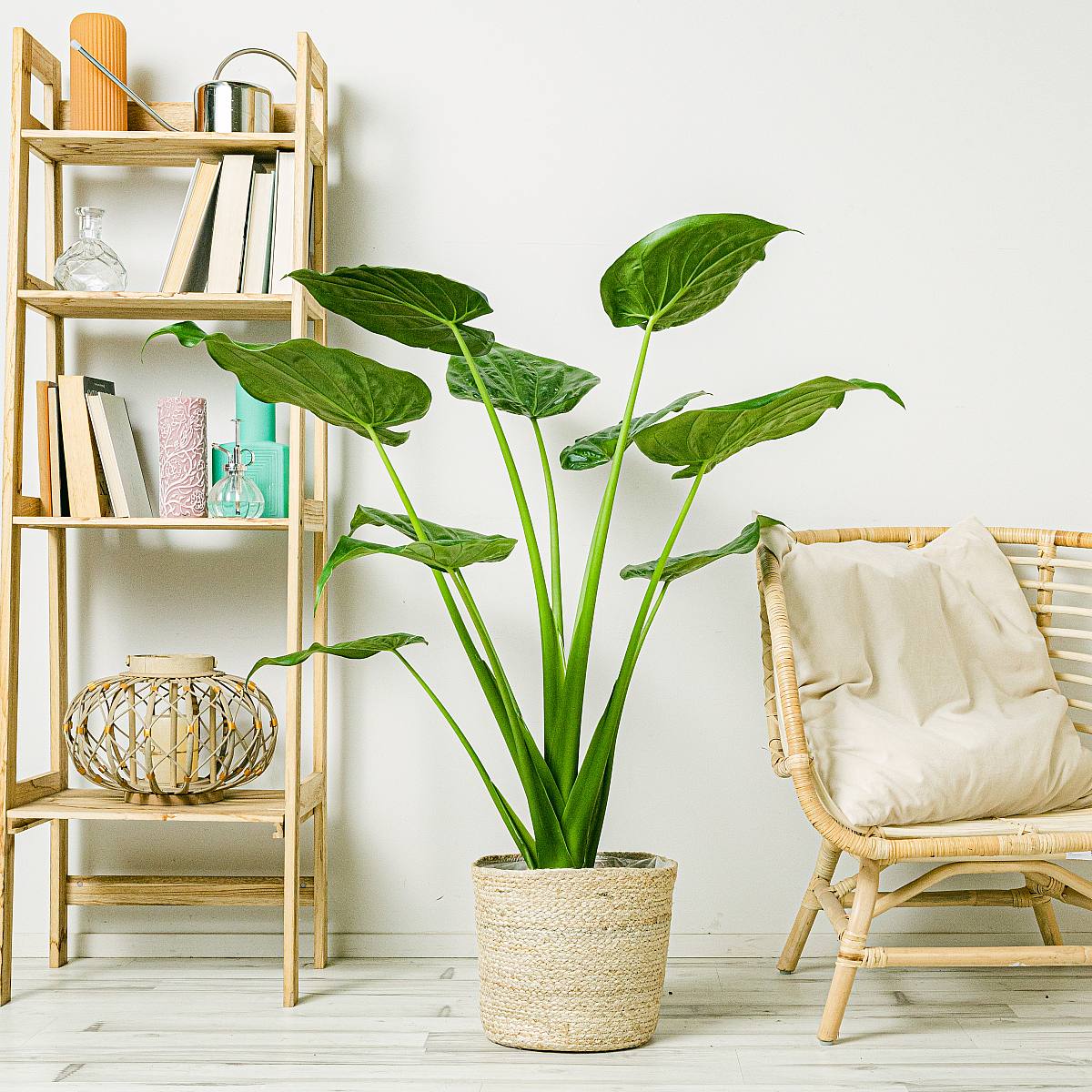
The cucullata is smaller (60–90 cm) and compact, with cup-shaped heart-like leaves. The macrorrhizos is gigantic (2–5 m) with long elephant-ear leaves. Cucullata is grown indoors, macrorrhizos outdoors as a tropical or in large pots.
It produces many offsets from the underground rhizomes, forming dense clumps with several stems within months. This makes it easy to propagate: just divide the clump when repotting and each offset grows into an independent plant.
Yes, surprisingly often compared to other Alocasia. It produces several spadices a year (yellow-green spathe with central spadix) and, if pollinated, small red berries. Flowers are subtle but a curious sight on an indoor plant.
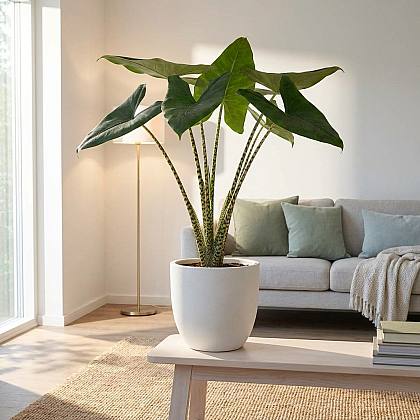
Alocasia Cucullata is also known as "Elephant Ear Alocasia".
In Southeast Asian Buddhism the cucullata is considered a sacred plant and is grown at temples as a charm for protection and prosperity. Its hood-shaped leaves (cucullata = hooded) recall hands joined in prayer.
Yes, like every Alocasia. It contains calcium oxalate crystals that cause severe oral irritation, intense salivation, vomiting and difficulty swallowing. Toxicity is high and symptoms appear within minutes of chewing the plant.
Yes. Together with the zebrina, the cucullata is the most tolerant Alocasia of indoor conditions: it copes with less bright light, moderate humidity and irregular watering better than its more exotic cousins (cuprea, amazonica).
The cucullata is smaller (60–90 cm) and compact, with cup-shaped heart-like leaves. The macrorrhizos is gigantic (2–5 m) with long elephant-ear leaves. Cucullata is grown indoors, macrorrhizos outdoors as a tropical or in large pots.
It produces many offsets from the underground rhizomes, forming dense clumps with several stems within months. This makes it easy to propagate: just divide the clump when repotting and each offset grows into an independent plant.
Yes, surprisingly often compared to other Alocasia. It produces several spadices a year (yellow-green spathe with central spadix) and, if pollinated, small red berries. Flowers are subtle but a curious sight on an indoor plant.