Free delivery
49.00 €






Characteristics:
Benefits:
No. The edible yuca is Manihot esculenta (cassava), a totally different genus. Garden 'yucca' is Yucca, an ornamental of North American origin. They share only the popular Spanish name through historical confusion.
Yes, moderately. It contains steroidal saponins that cause vomiting, drooling, weakness and liver damage in dogs and cats if ingested in quantity. The toxicity is real, but the bitter taste discourages large ingestions. Sharp leaf tips also pose a physical hazard.
It is a natural adaptation: in its semi-arid habitat, the hard, pointed leaves protect the plant from herbivores and reduce water loss. Each leaf ends in a sharp spine that can injure. Indoor varieties are pruned strategically to reduce risk.
Very rarely. When it does, it produces an imposing 1–2 m flower stalk with hundreds of bell-shaped white flowers. Blooms require a very mature plant (10+ years) and adequate light. Outdoors in Spain it can bloom regularly; indoors with heating, almost never.
One of the longest-lived ornamental plants in trade: in the wild specimens of 100–150 years exist. Indoors with proper care it can easily live 30–50 years. The trunk thickens progressively and very old trunks can resemble baobabs.
Yes, flowers of several Yucca species are edible, rich in vitamin C and protein. Native peoples of the southwestern US and northern Mexico ate them traditionally. The flowers have a mild flavour like artichoke or asparagus. The ornamental Y. elephantipes also produces them.
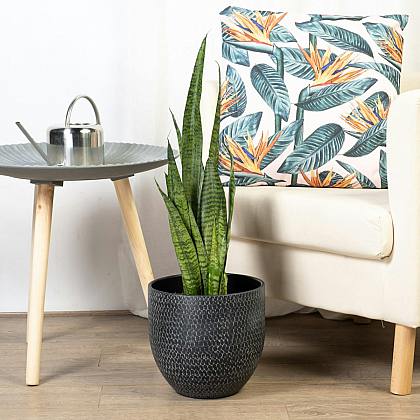
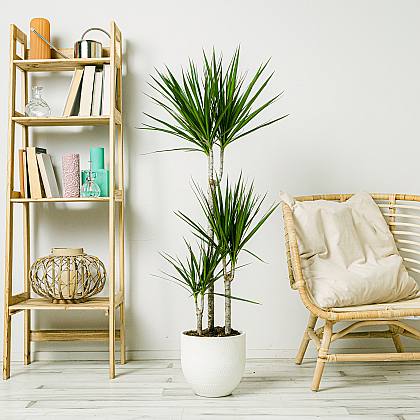
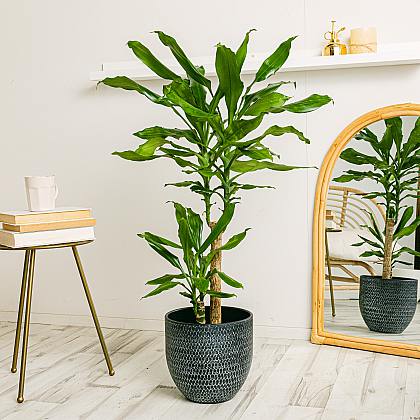
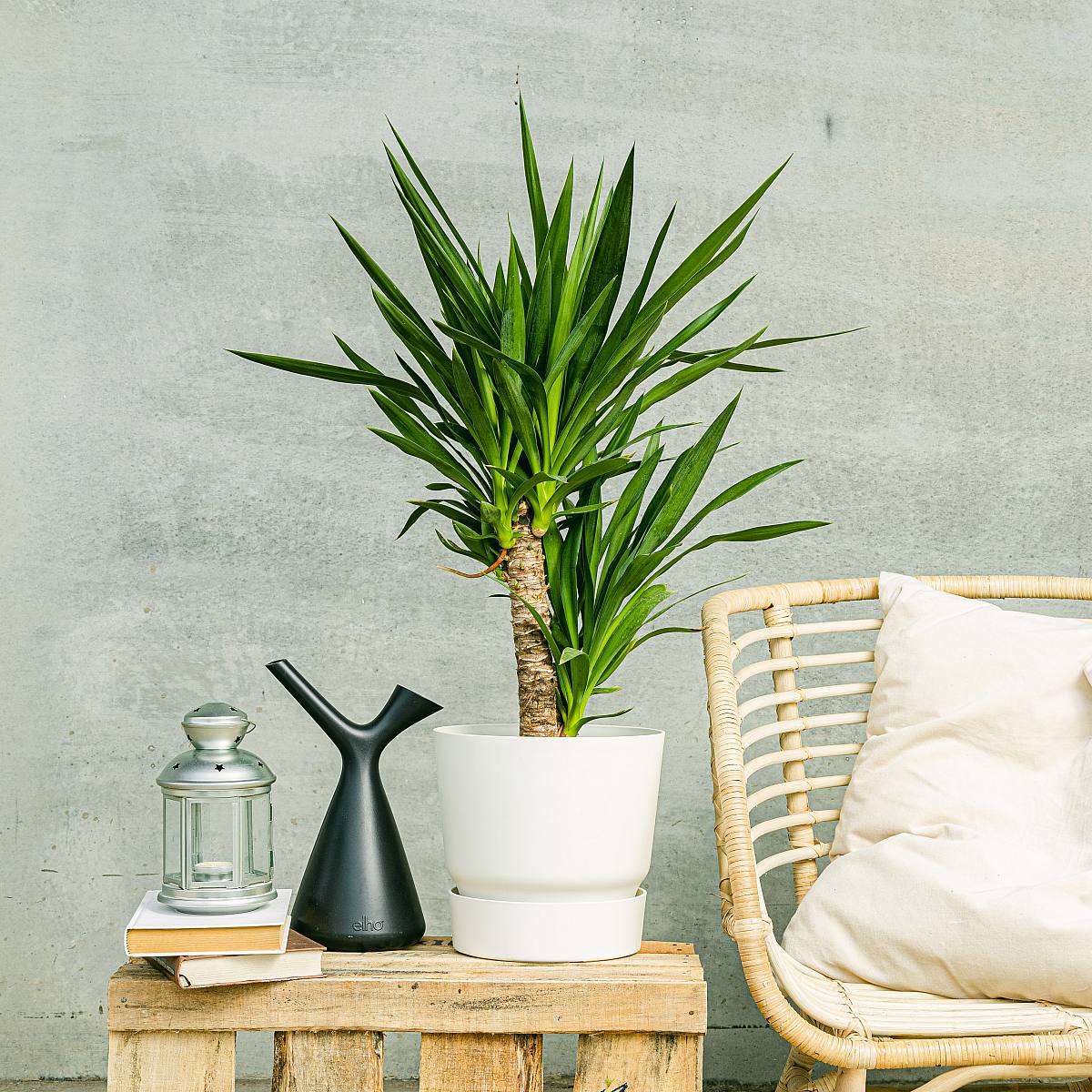
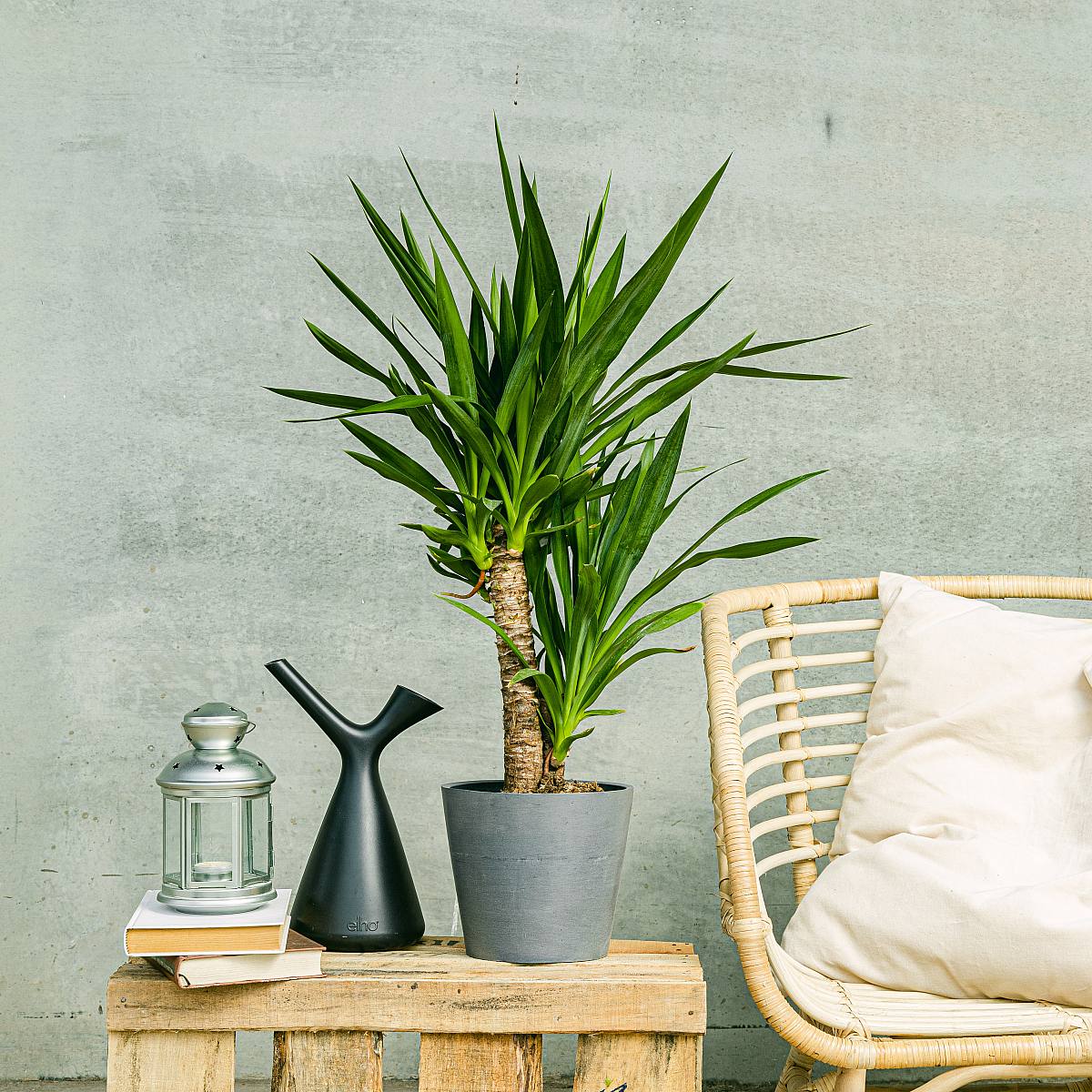
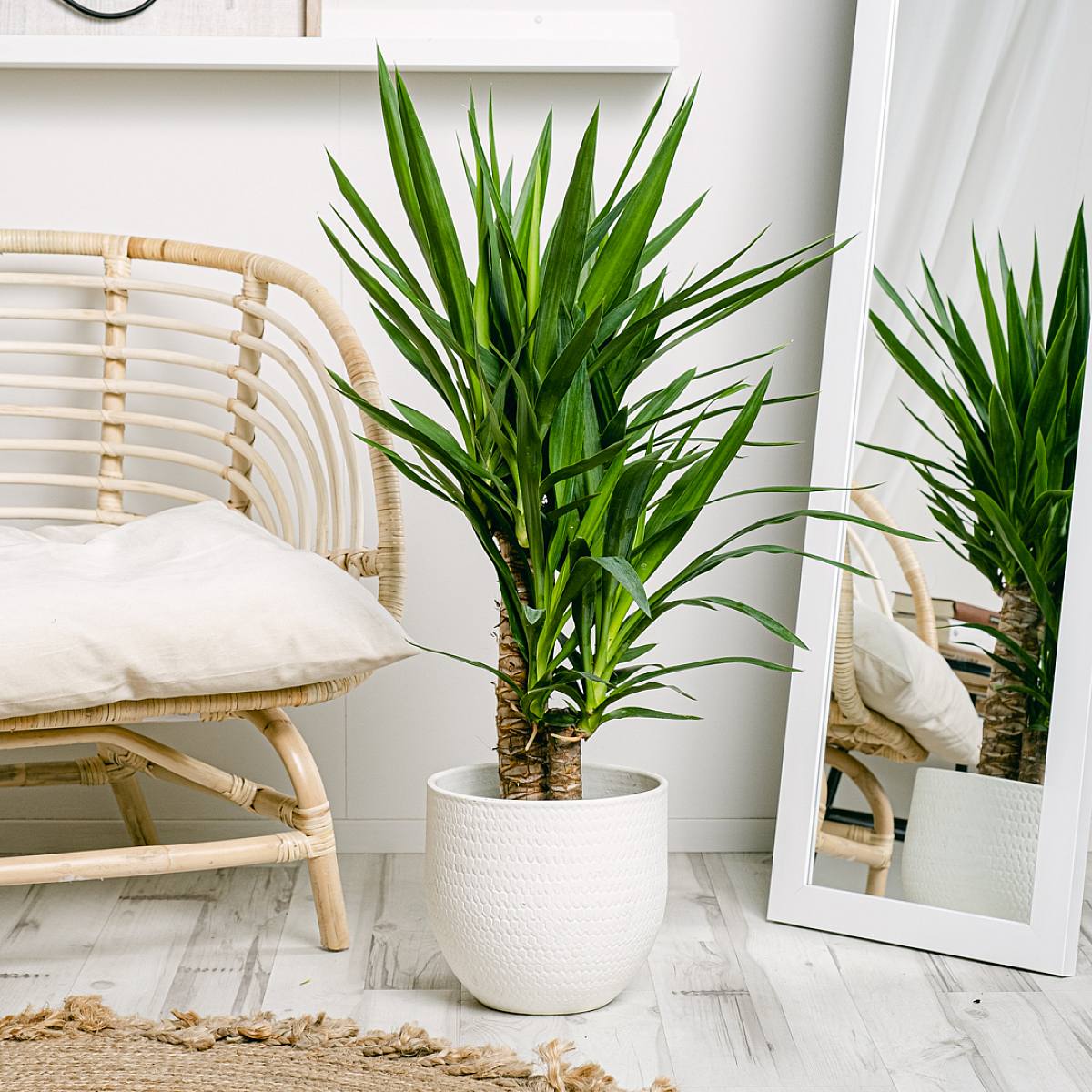
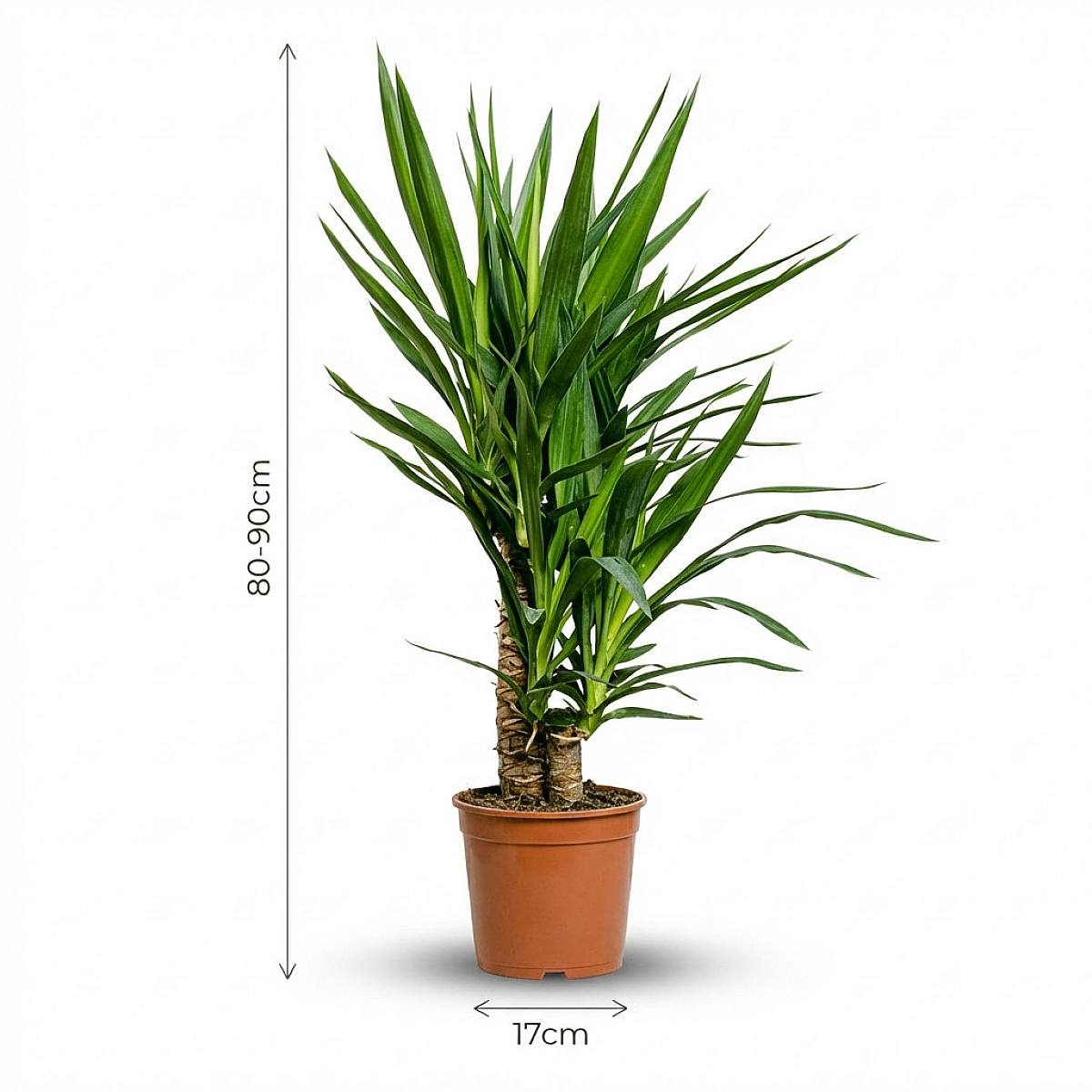
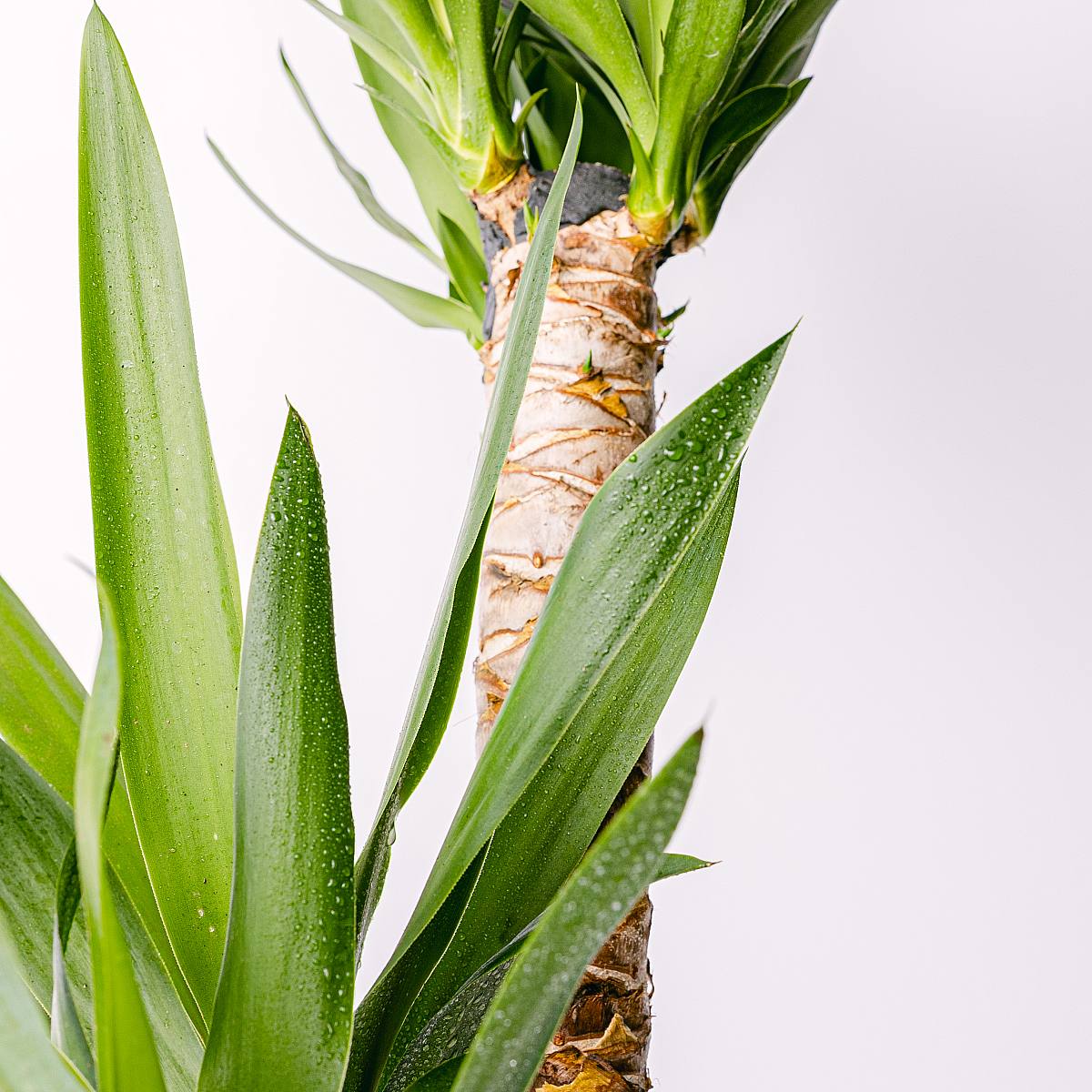
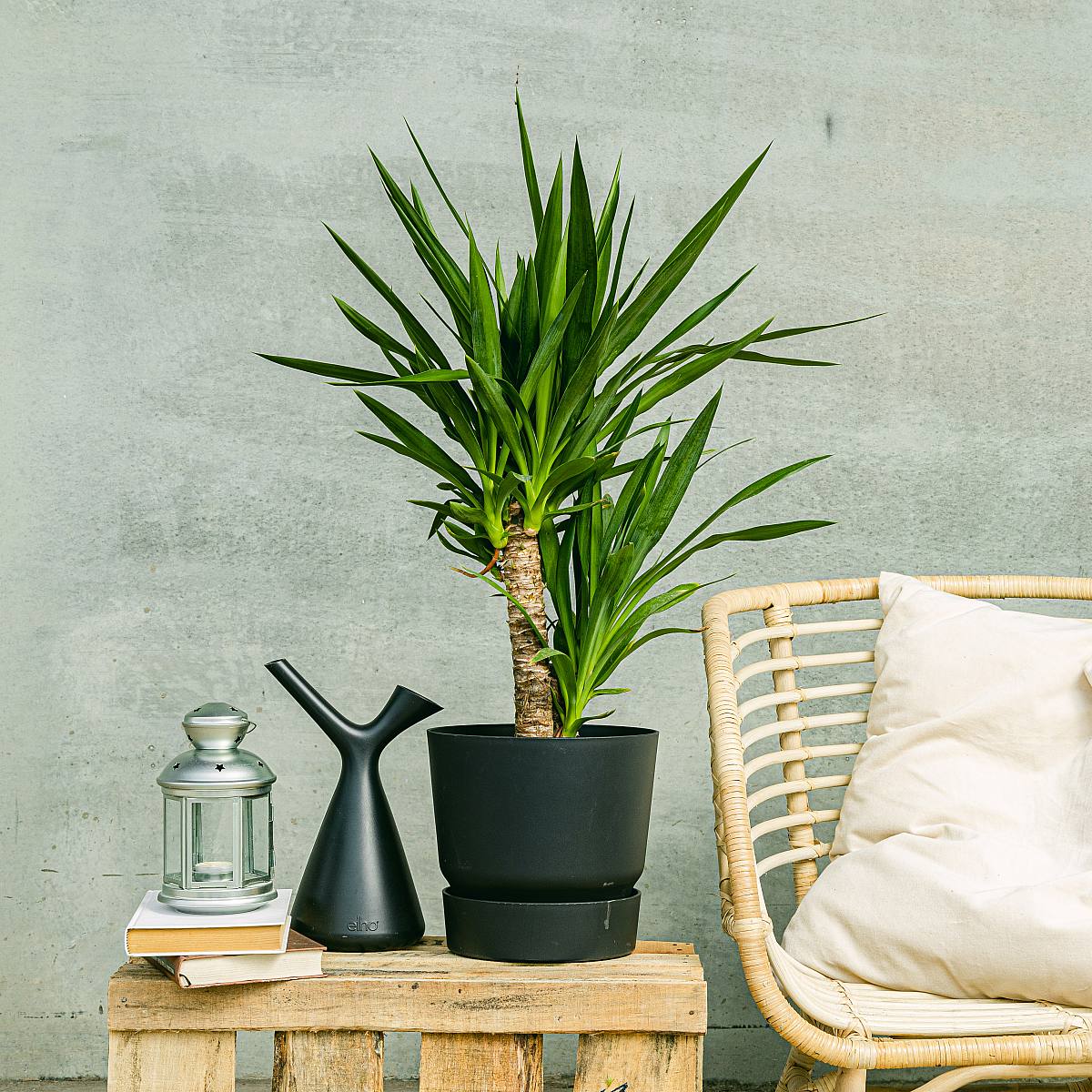
Yucca is a tropical perennial shrub, exotic and very colourful, perfect for decorating a corner of your home, bringing colour and life.
Characteristics:
Benefits:
No. The edible yuca is Manihot esculenta (cassava), a totally different genus. Garden 'yucca' is Yucca, an ornamental of North American origin. They share only the popular Spanish name through historical confusion.
Yes, moderately. It contains steroidal saponins that cause vomiting, drooling, weakness and liver damage in dogs and cats if ingested in quantity. The toxicity is real, but the bitter taste discourages large ingestions. Sharp leaf tips also pose a physical hazard.
It is a natural adaptation: in its semi-arid habitat, the hard, pointed leaves protect the plant from herbivores and reduce water loss. Each leaf ends in a sharp spine that can injure. Indoor varieties are pruned strategically to reduce risk.
Very rarely. When it does, it produces an imposing 1–2 m flower stalk with hundreds of bell-shaped white flowers. Blooms require a very mature plant (10+ years) and adequate light. Outdoors in Spain it can bloom regularly; indoors with heating, almost never.
One of the longest-lived ornamental plants in trade: in the wild specimens of 100–150 years exist. Indoors with proper care it can easily live 30–50 years. The trunk thickens progressively and very old trunks can resemble baobabs.
Yes, flowers of several Yucca species are edible, rich in vitamin C and protein. Native peoples of the southwestern US and northern Mexico ate them traditionally. The flowers have a mild flavour like artichoke or asparagus. The ornamental Y. elephantipes also produces them.