From
Free delivery
42.00 €
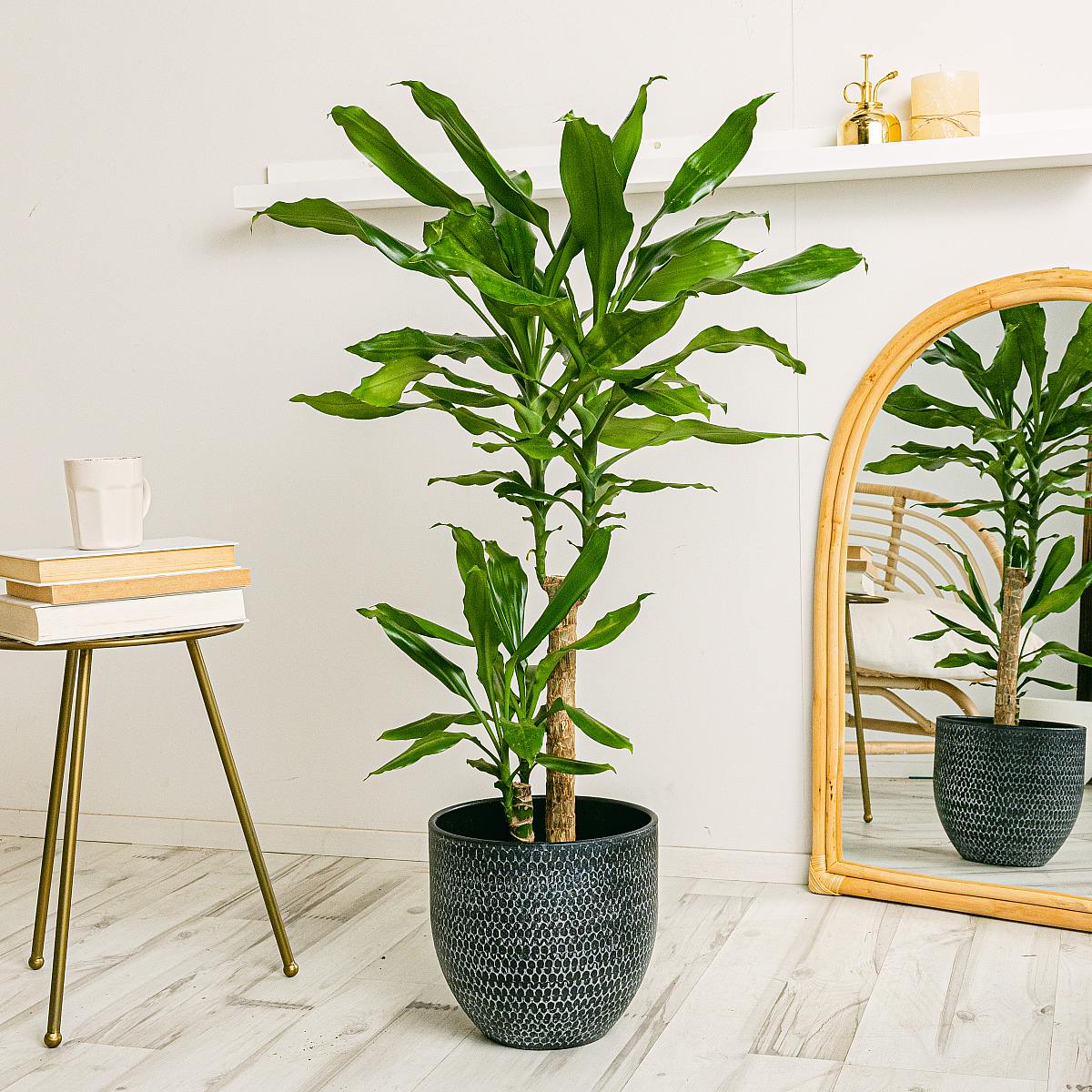
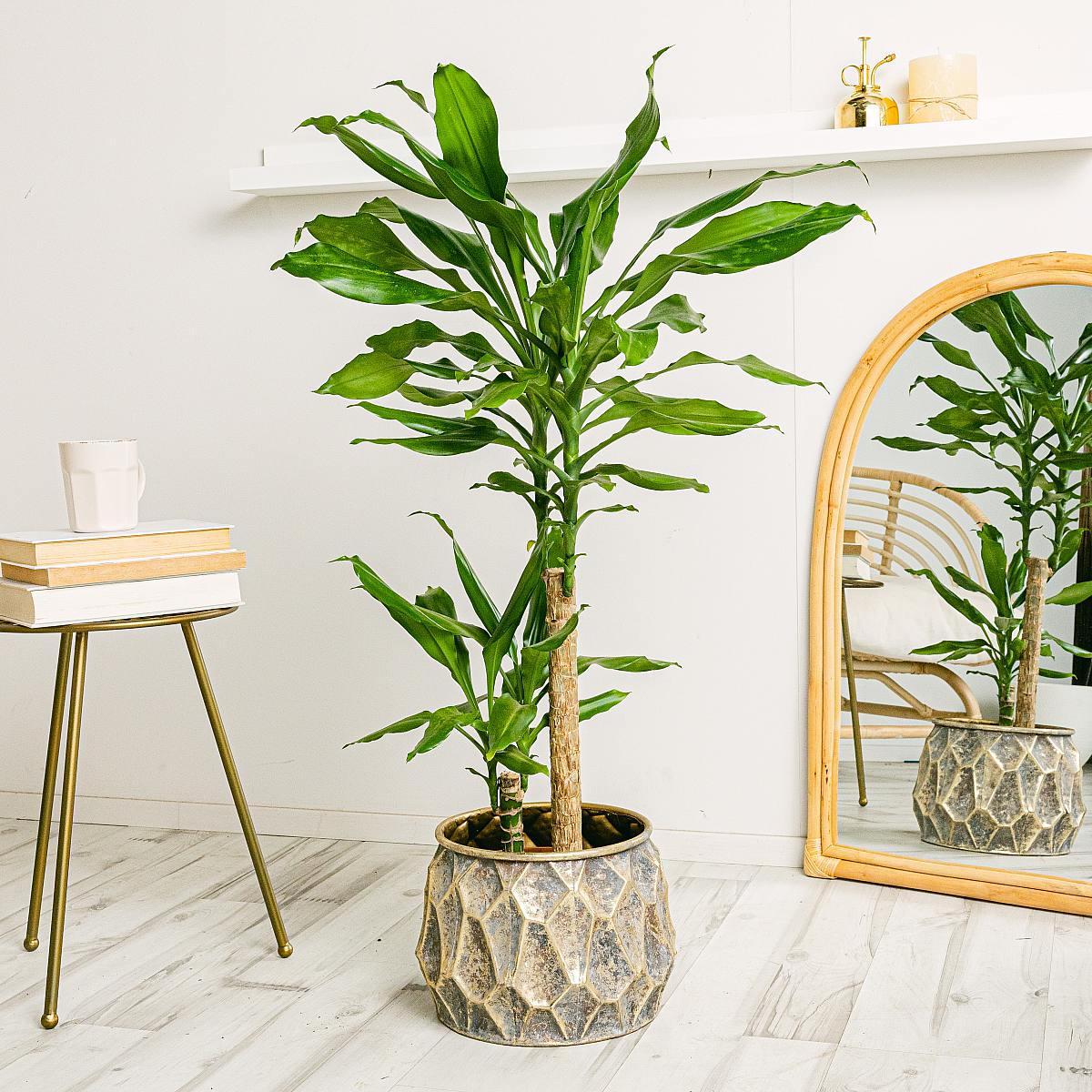
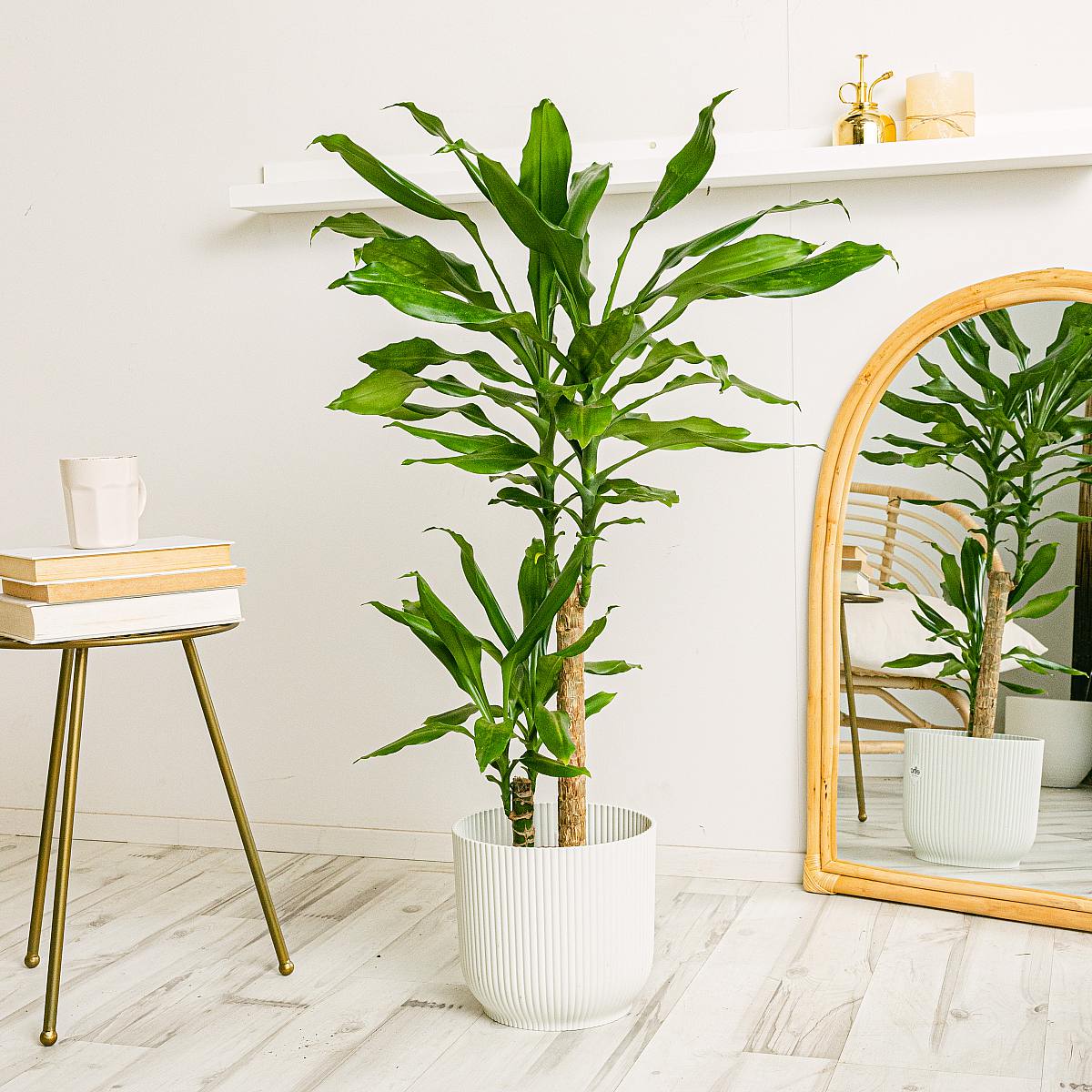
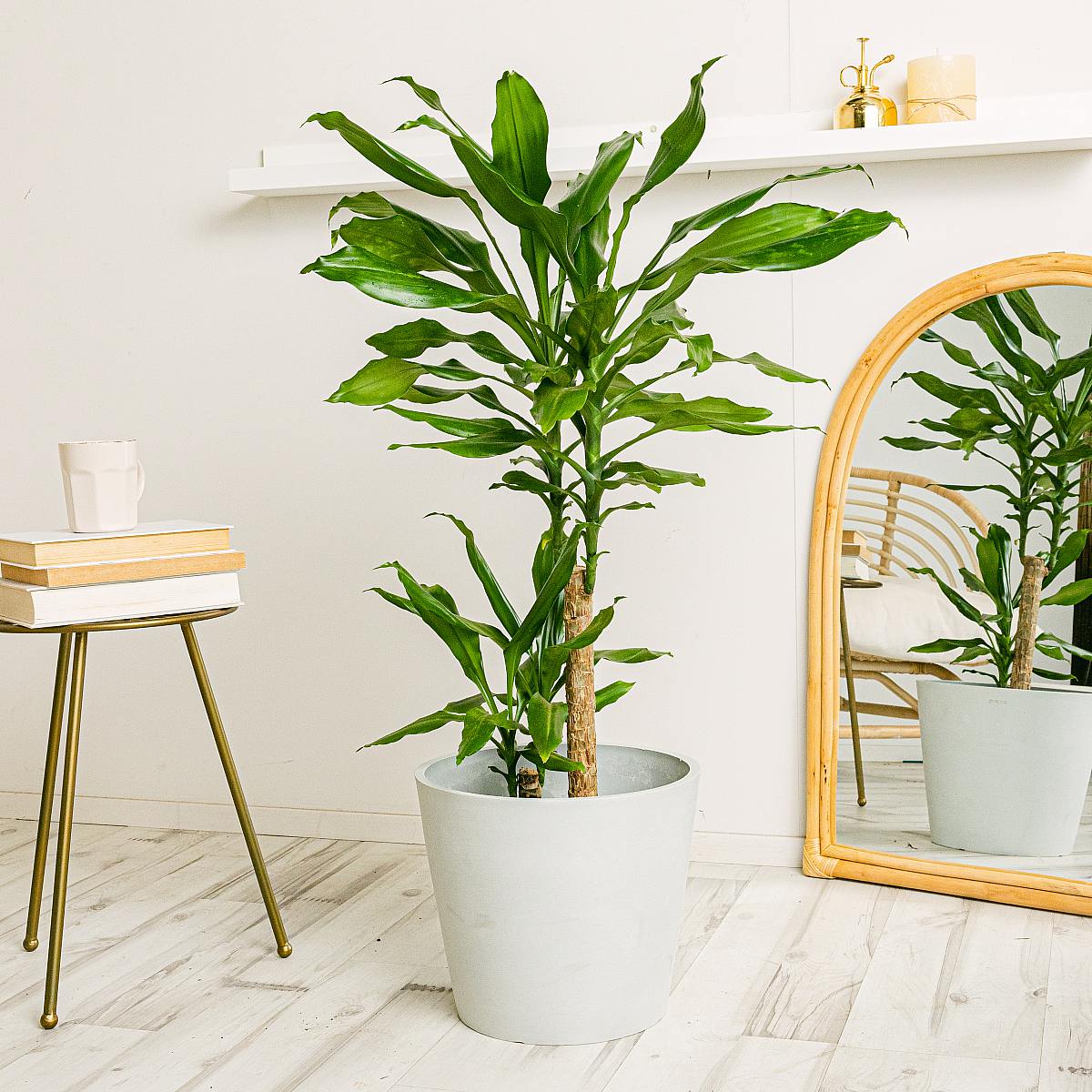
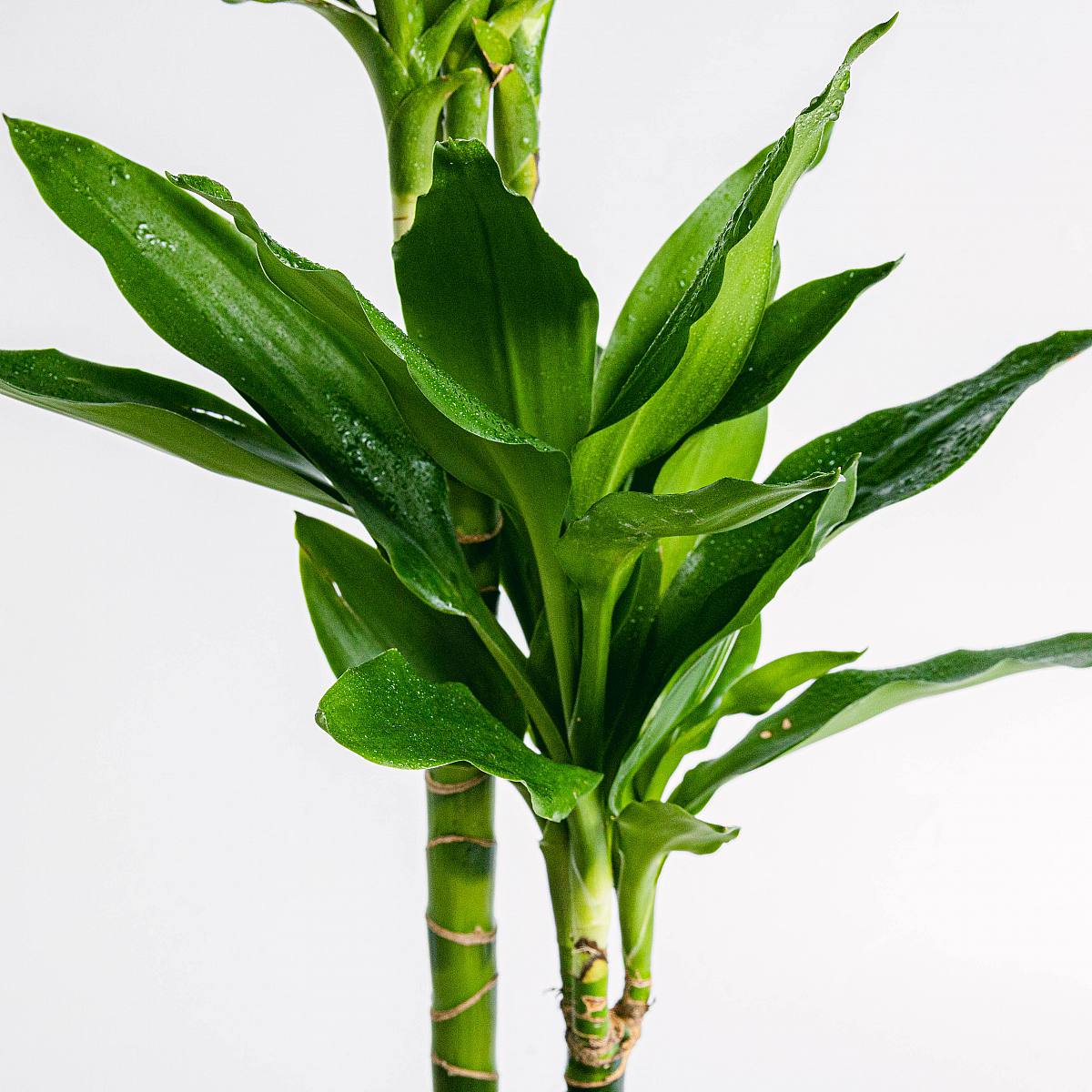






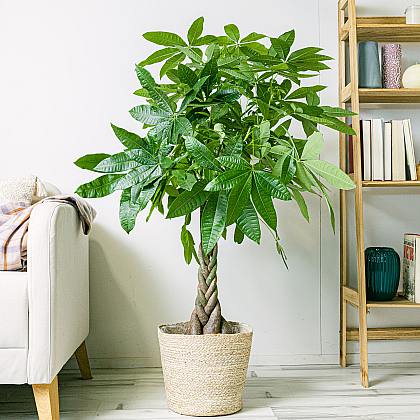
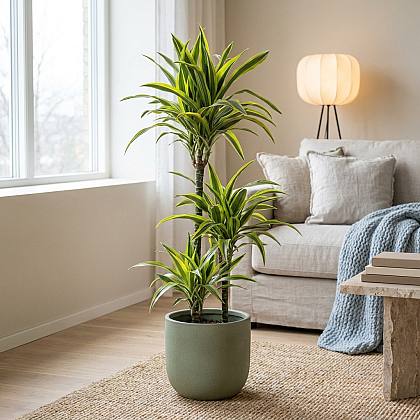
The Brazil Nut Tree is more than just a simple plant; it is a symbol of freshness and serenity in any space. With a height of 120-130 cm, it becomes the ideal companion for those looking to fill their home with vibrant greenery. Its elongated, shiny leaves radiate health, adding a tropical touch that transforms your environment into a haven of calm. Whenever you seek inspiration or a moment of peace, this majestic specimen offers it to you.
Alternatively known as Dracaena fragans, the Brazil Nut Tree is native to tropical Africa, providing a constant reminder of exotic natural beauty.
Place it in a location with indirect light and keep it out of reach of pets, as it is not suitable for them. It is a perfect plant for the office or relaxation spaces.
The Brazil Nut Tree not only beautifies the space but also purifies the air, improving environmental quality and creating a healthier atmosphere. Its visually relaxing presence promotes concentration and tranquility.
No, despite the name. It is native to tropical Africa, not Brazil. The European trade name 'Brazilian tree' came from confusion linking 'tropical exotic' with South America. In its real area of origin (Africa) it is neither known nor sold under that name.
Yes. It contains saponins that cause vomiting (sometimes with blood), drooling, dilated pupils and depression in cats and dogs. Cats are especially sensitive. One of the most-reported indoor plants in vet consultations for accidental ingestion.
When it blooms (rarely indoors), it produces hanging clusters of white-cream flowers with a very intense scent, especially at night. The fragrance is sweet and almost cloying, recalling jasmine or tuberose. Indoors only mature plants (10+ years) can flower.
Indoors it reaches 2–3 m with proper care, rarely more. In its tropical habitat it can grow to 5–6 m as a small tree. Growth is slow (10–15 cm a year), making it stable and easy to keep in the same spot for years.
Natural behaviour: old leaves yellow and fall as the plant grows upward with a bare stem at the base. This gives it the palm-like 'trunk' look. To rejuvenate, cut the main stem and it will reshoot from the base.
The most common: 'Massangeana' (with a yellow-gold central stripe, the classic), 'Janet Craig' (uniform green), 'Limelight' (lime green), 'Lemon Lime' (green with yellow stripes). All are cultivars of the same D. fragrans with different leaf patterns.
Dracaena Fragrans or Coontie Palm.
The Brazil Nut Tree is more than just a simple plant; it is a symbol of freshness and serenity in any space. With a height of 120-130 cm, it becomes the ideal companion for those looking to fill their home with vibrant greenery. Its elongated, shiny leaves radiate health, adding a tropical touch that transforms your environment into a haven of calm. Whenever you seek inspiration or a moment of peace, this majestic specimen offers it to you.
Alternatively known as Dracaena fragans, the Brazil Nut Tree is native to tropical Africa, providing a constant reminder of exotic natural beauty.
Place it in a location with indirect light and keep it out of reach of pets, as it is not suitable for them. It is a perfect plant for the office or relaxation spaces.
The Brazil Nut Tree not only beautifies the space but also purifies the air, improving environmental quality and creating a healthier atmosphere. Its visually relaxing presence promotes concentration and tranquility.
Did you know that the Brazil Nut Tree is known for its ability to adapt and thrive in different environments? It is said that, in the past, it was given as a symbol of good luck. Additionally, this plant has a peculiar tendency to lean towards the light, so you might be surprised to find it greeting the sun. Its growth is a natural dance that beautifies any corner!
Did you know that the Brazil Nut Tree is known for its ability to adapt and thrive in different environments? It is said that, in the past, it was given as a symbol of good luck. Additionally, this plant has a peculiar tendency to lean towards the light, so you might be surprised to find it greeting the sun. Its growth is a natural dance that beautifies any corner!
No, despite the name. It is native to tropical Africa, not Brazil. The European trade name 'Brazilian tree' came from confusion linking 'tropical exotic' with South America. In its real area of origin (Africa) it is neither known nor sold under that name.
Yes. It contains saponins that cause vomiting (sometimes with blood), drooling, dilated pupils and depression in cats and dogs. Cats are especially sensitive. One of the most-reported indoor plants in vet consultations for accidental ingestion.
When it blooms (rarely indoors), it produces hanging clusters of white-cream flowers with a very intense scent, especially at night. The fragrance is sweet and almost cloying, recalling jasmine or tuberose. Indoors only mature plants (10+ years) can flower.
Indoors it reaches 2–3 m with proper care, rarely more. In its tropical habitat it can grow to 5–6 m as a small tree. Growth is slow (10–15 cm a year), making it stable and easy to keep in the same spot for years.
Natural behaviour: old leaves yellow and fall as the plant grows upward with a bare stem at the base. This gives it the palm-like 'trunk' look. To rejuvenate, cut the main stem and it will reshoot from the base.
The most common: 'Massangeana' (with a yellow-gold central stripe, the classic), 'Janet Craig' (uniform green), 'Limelight' (lime green), 'Lemon Lime' (green with yellow stripes). All are cultivars of the same D. fragrans with different leaf patterns.