Free delivery
44.00 €
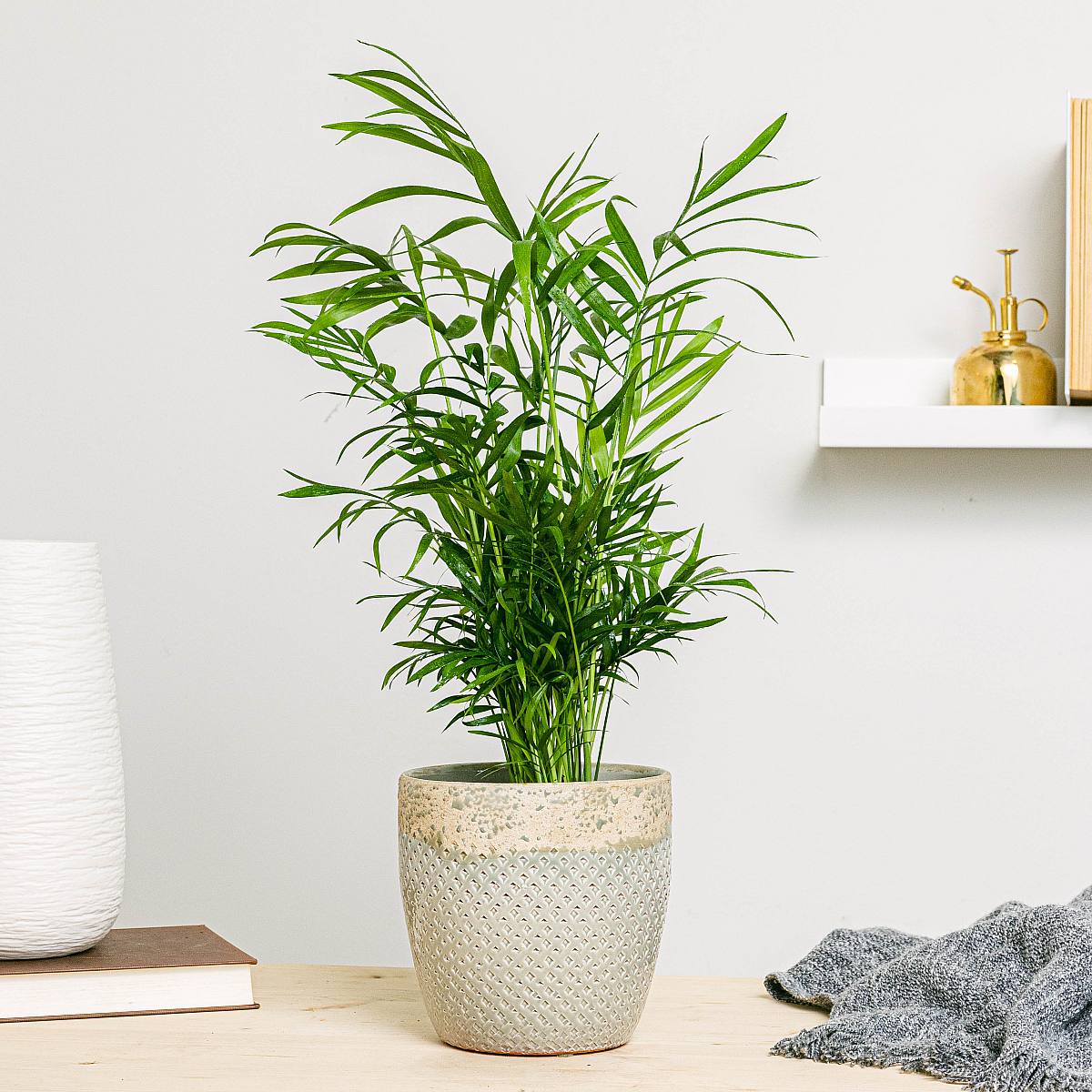
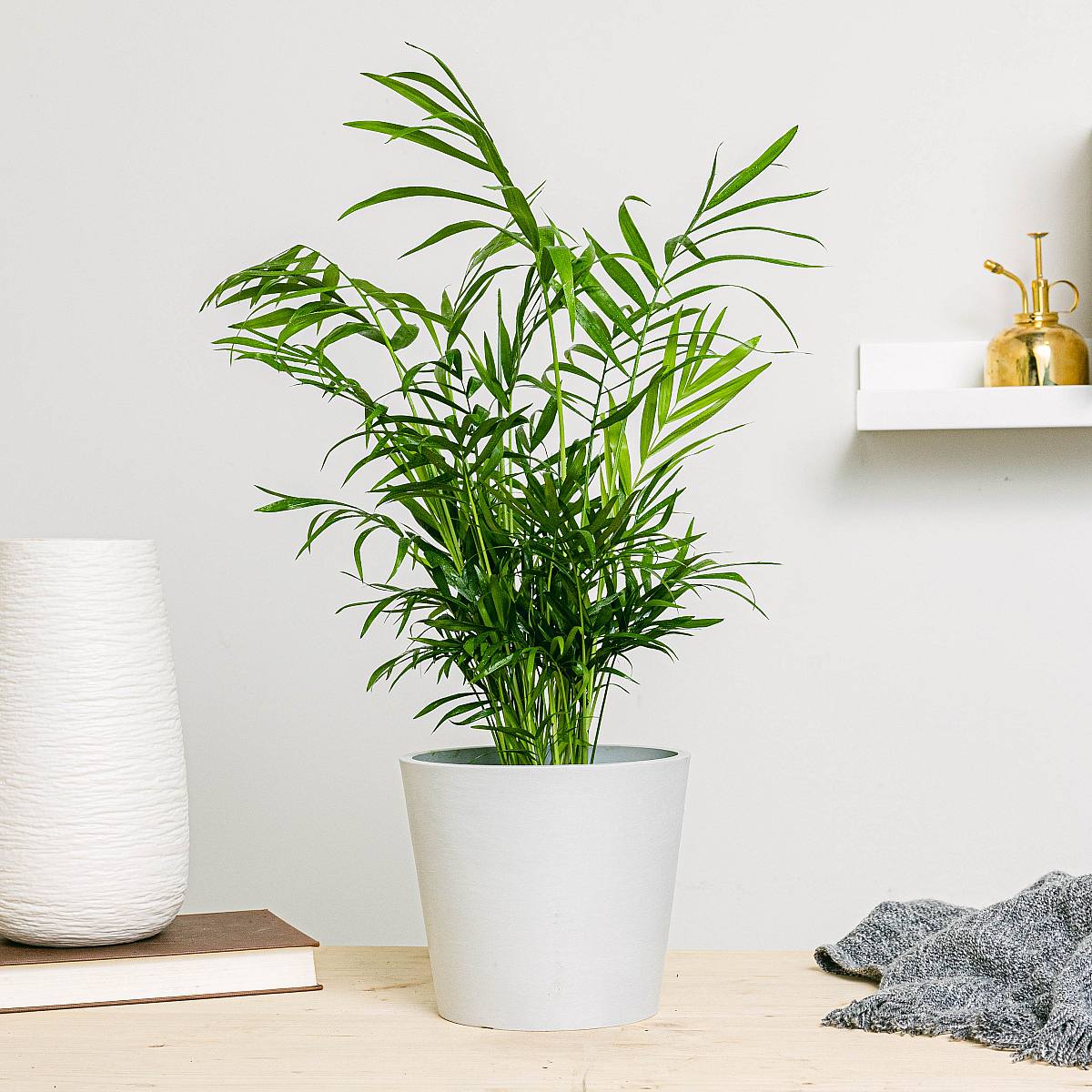
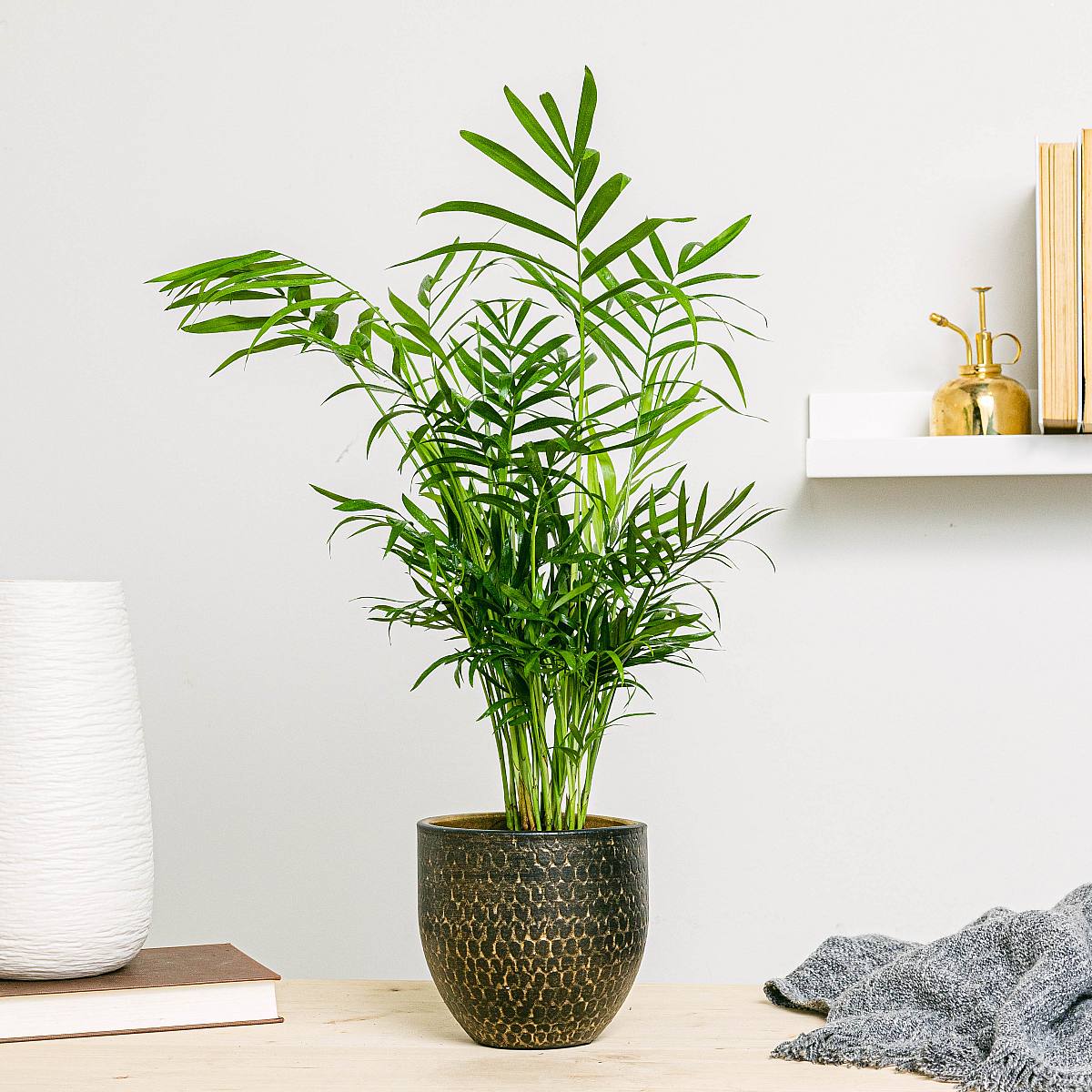








Chamaedorea elegans . Commonly known as "lounge palm" or "indoor palm". This plant is native to Mexico and Guatemala. It is one of the easiest varieties of palm to care for and one of the most purifying.
The Chamaedorea Elegans is also known as the 'parlor palm' because it is a common guest in elegant homes since the Victorian era. It is said that during those times, this plant was a status symbol among wealthy families, adorning parlors and setting trends. There are even stories about how they came to dispute ownership of it in some households! In addition to being an elegant and easy-to-care-for plant, it has a special charm: it seems to enjoy listening to classical music because, as they say, its leaves look shinier when Beethoven is in the air. Could it be true or just a green myth? Give it a try and discover if this majestic plant has a taste for music!
The Chamaedorea Elegans is also known as the 'parlor palm' because it is a common guest in elegant homes since the Victorian era. It is said that during those times, this plant was a status symbol among wealthy families, adorning parlors and setting trends. There are even stories about how they came to dispute ownership of it in some households! In addition to being an elegant and easy-to-care-for plant, it has a special charm: it seems to enjoy listening to classical music because, as they say, its leaves look shinier when Beethoven is in the air. Could it be true or just a green myth? Give it a try and discover if this majestic plant has a taste for music!