Free delivery
42.00 €






Recommendations- Not suitable for children and pets, its leaves can cause stochastic discomfort if ingested in large quantities. - Always avoid watering this plant in excess, it prefers the drought.
Care- Light: It adapts to any level of light. - Watering Moderate: When the substratum is drying out. - Humidity: It does not like to cool down, do not spray its leaves. - Top tip: It is an ideal little plant for the bedroom because it stores oxygen during the day and releases it all at night.
Benefits- This plant eliminates toxins that gradually accumulate indoors. It absorbs nitrogen oxide and harmful formaldehydes floating in the air. So as well as decorating, it will keep your home free of harmful substances. - It is said that this plant attracts good luck and removes negative energies from the environment.
Yes. Sansevieria does CAM photosynthesis, a pathway adapted to arid climates: it closes its stomata during the day to avoid losing water and opens them at night, when it releases oxygen. That is why it is traditionally recommended for bedrooms, although the actual amount is modest.
The name became popular in 19th-century Europe due to the sharp, rigid look of its leaves, humorously associated with a sharp tongue. In English the name 'mother-in-law's tongue' has the same origin. In Spain it is also called 'Saint George's sword' (espada de San Jorge).
Yes, mildly. It contains saponins that on ingestion cause vomiting, diarrhoea and drooling in dogs and cats. Rarely serious unless in large doses, but better to keep curious pets away from the leaves.
It is one of the longest-living indoor plants: with minimal care it can pass 25 years. Specimens of more than 50 years are documented in botanical collections. Growth is slow but very steady, and it self-propagates by offsets from the rhizomes.
Yes, although rarely indoors. When it does, it sends up a flower stalk with clusters of small white or cream flowers, very fragrant at night, secreting nectar. It usually happens after long periods of mild stress (root-bound and dryish).
In 2017 phylogenetic studies based on DNA showed that the genus Sansevieria was nested within the Dracaena clade, so it was reclassified. The trade name 'Sansevieria' is still used in nurseries and commerce because the change has not yet spread beyond botanical circles.
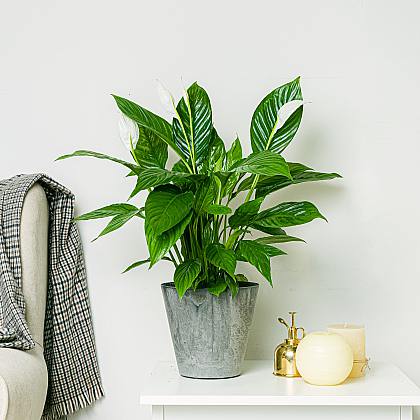
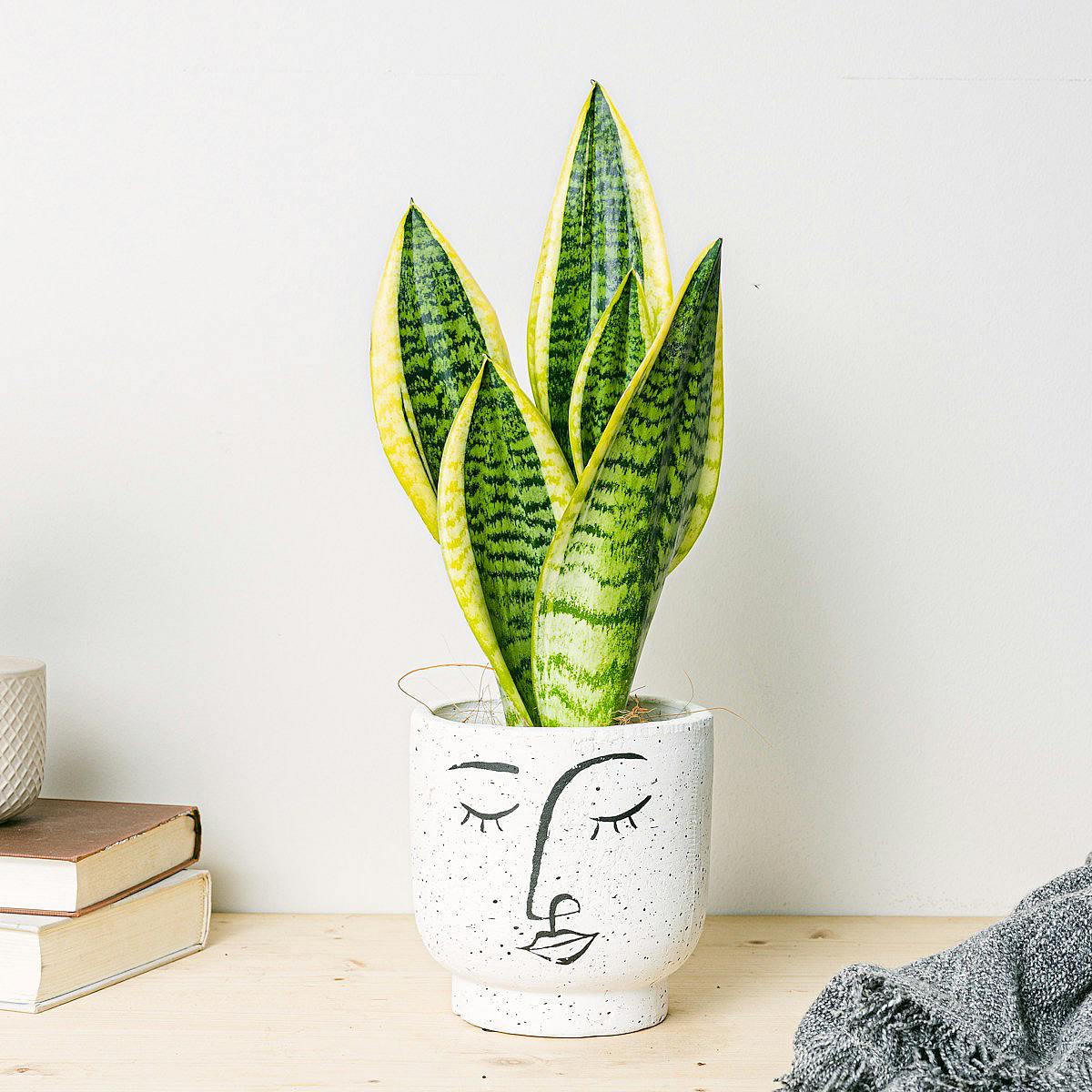
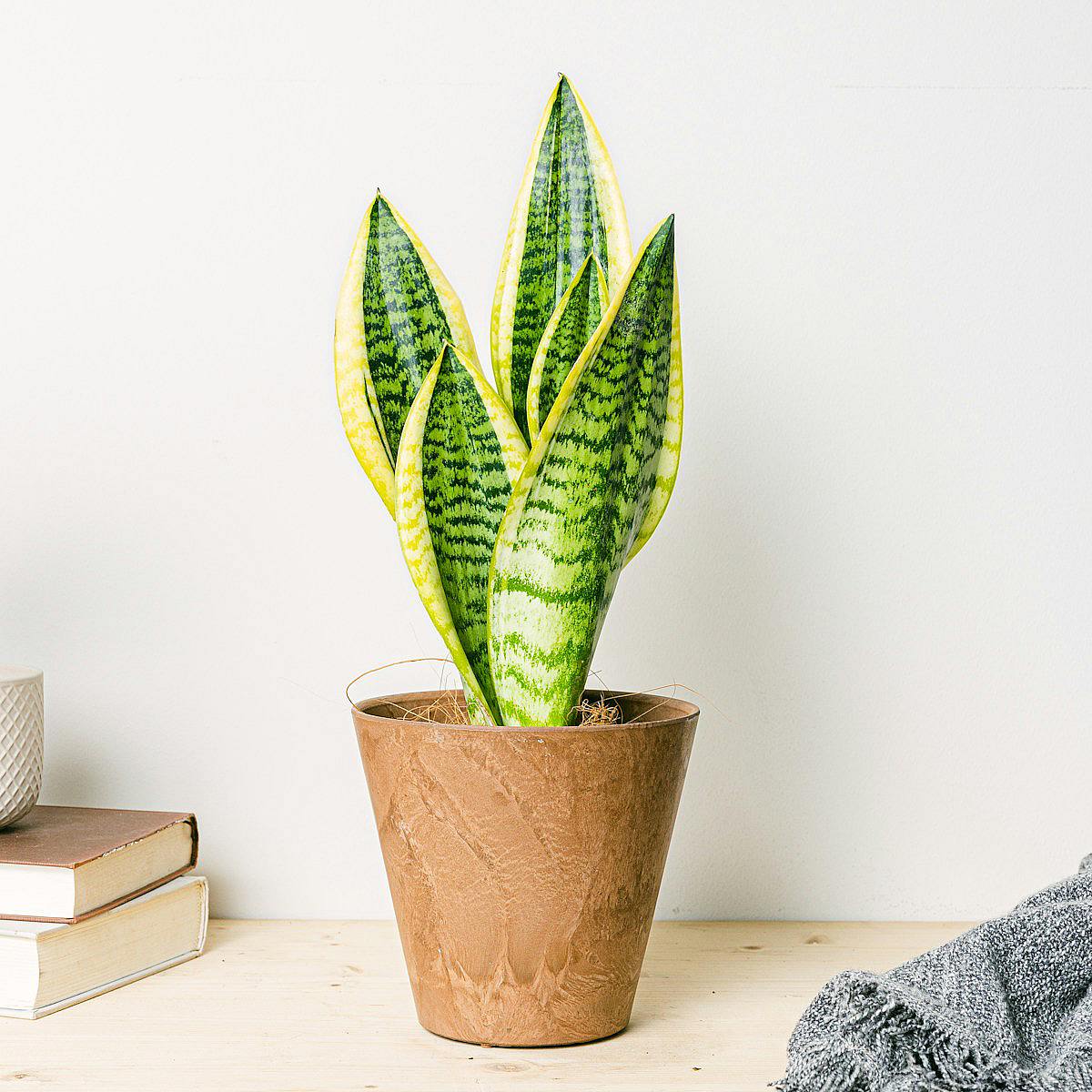
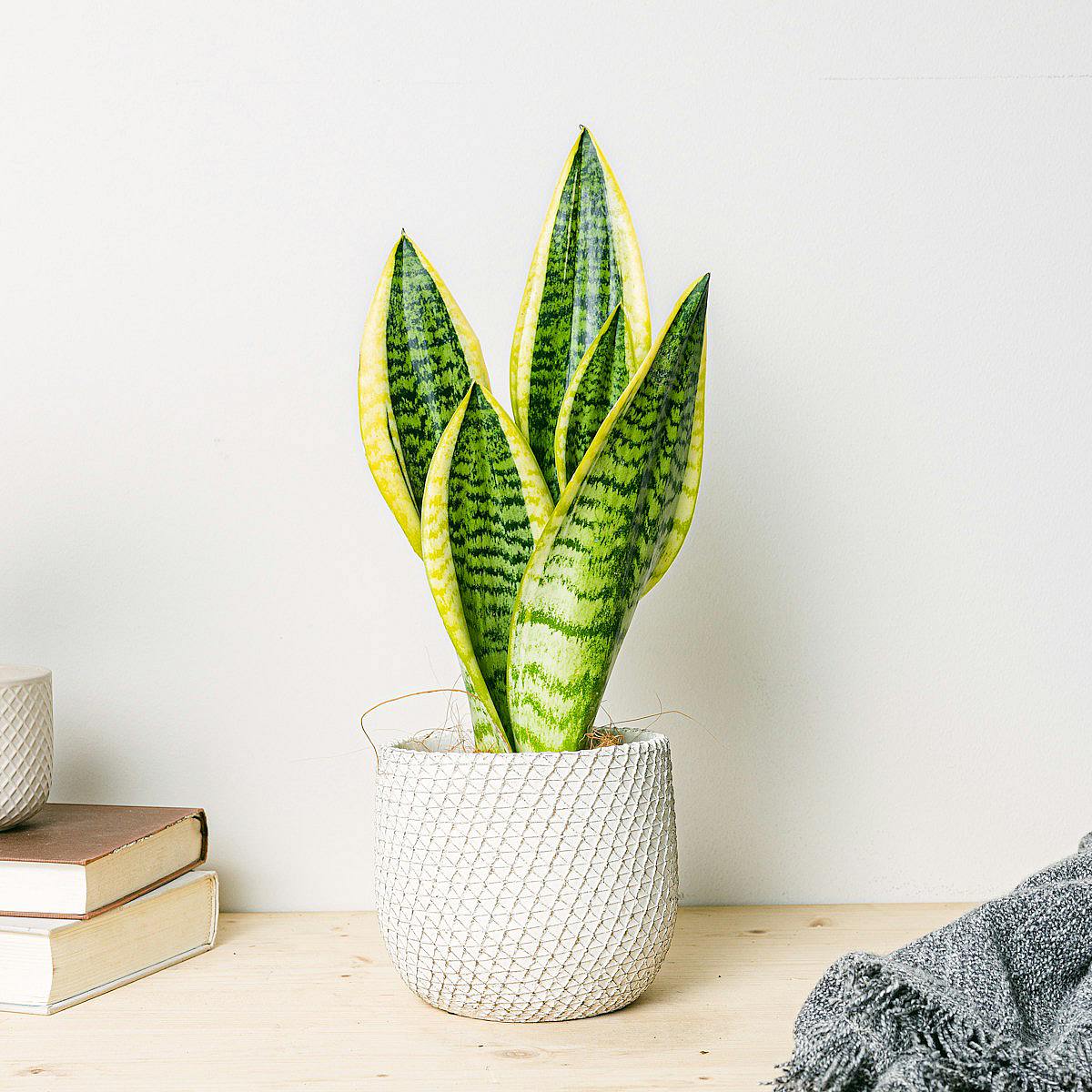
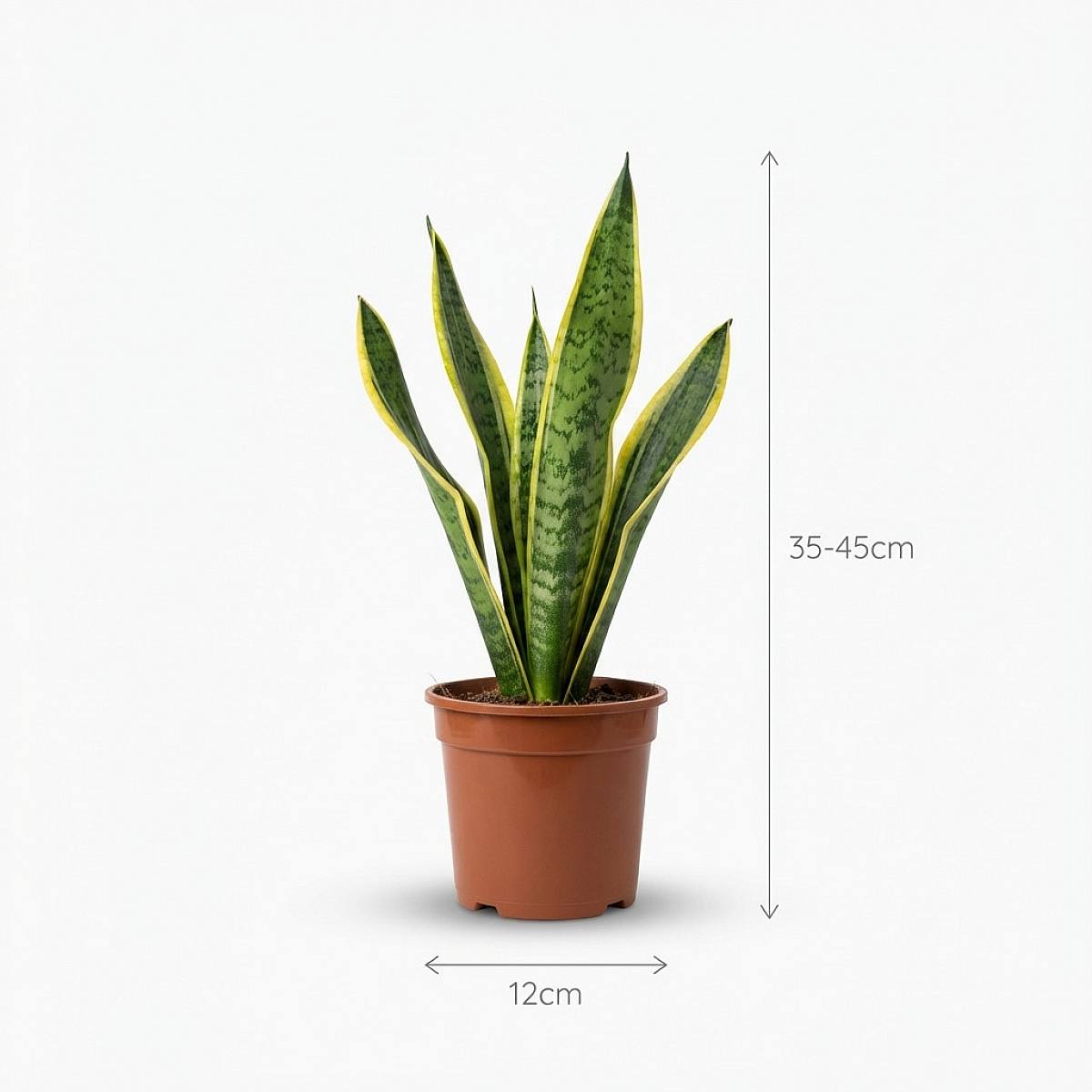
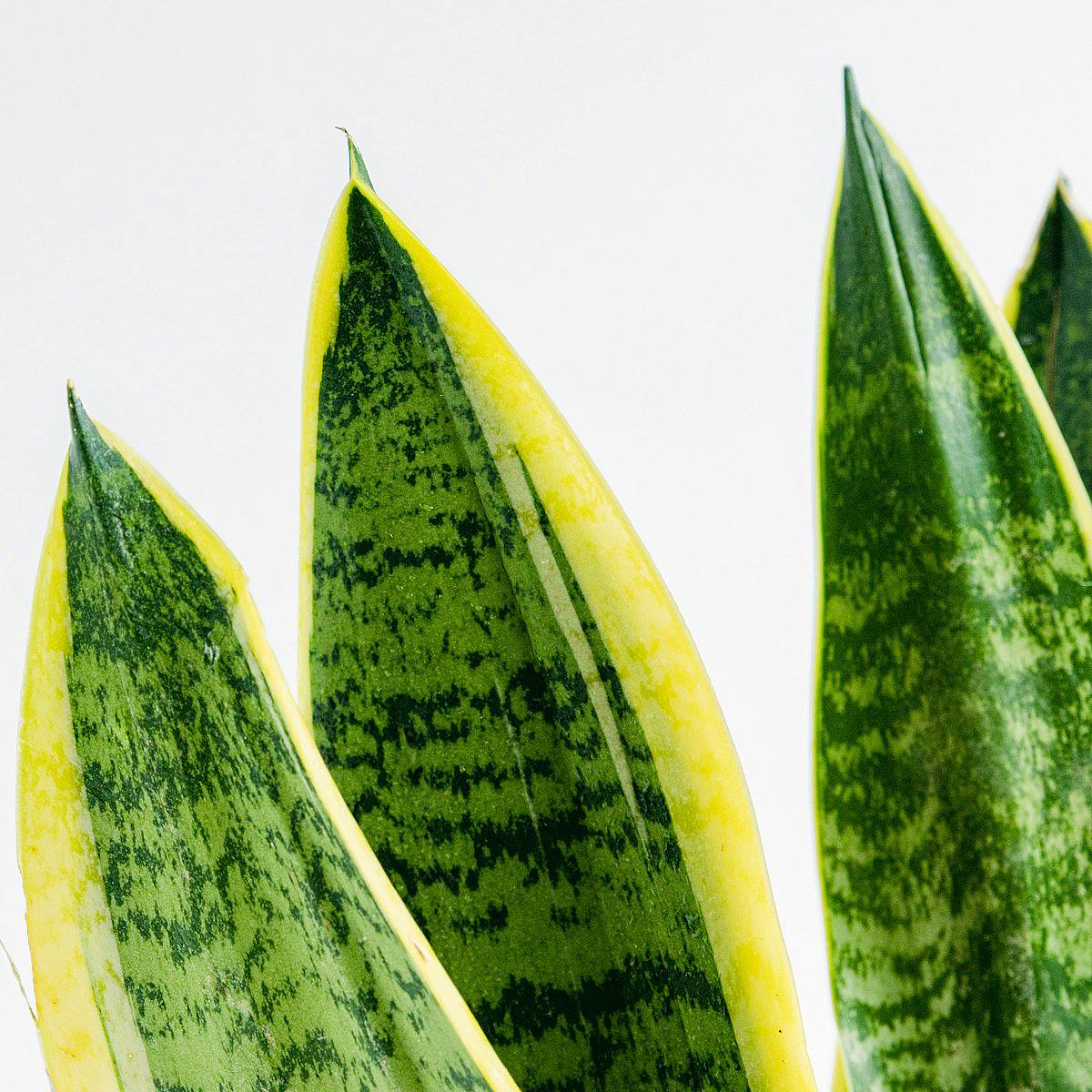
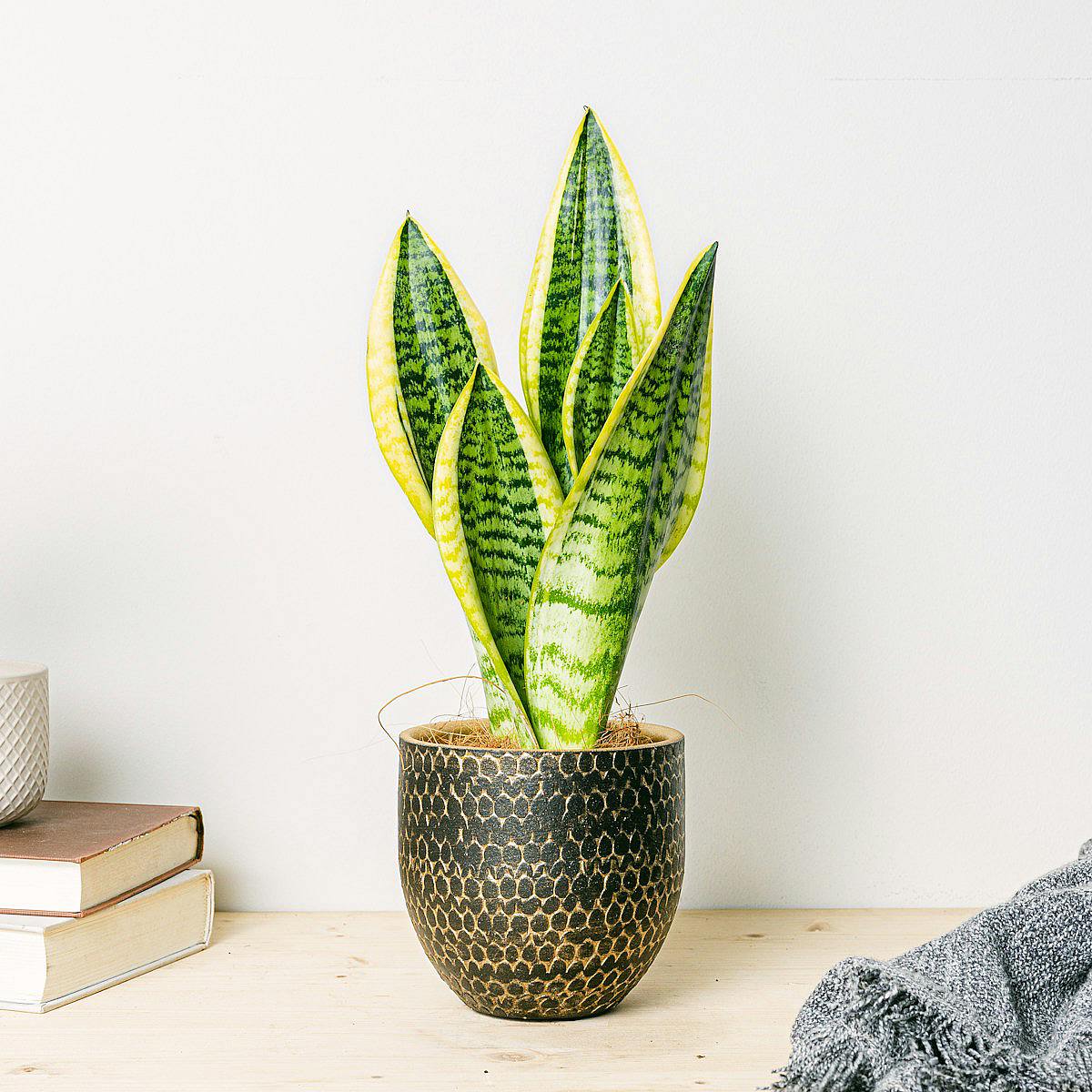
Sansevieria or Snake Plant also known as "lizard's tail" or "mother-in-law's tongue".
Recommendations- Not suitable for children and pets, its leaves can cause stochastic discomfort if ingested in large quantities. - Always avoid watering this plant in excess, it prefers the drought.
Care- Light: It adapts to any level of light. - Watering Moderate: When the substratum is drying out. - Humidity: It does not like to cool down, do not spray its leaves. - Top tip: It is an ideal little plant for the bedroom because it stores oxygen during the day and releases it all at night.
Benefits- This plant eliminates toxins that gradually accumulate indoors. It absorbs nitrogen oxide and harmful formaldehydes floating in the air. So as well as decorating, it will keep your home free of harmful substances. - It is said that this plant attracts good luck and removes negative energies from the environment.
Yes. Sansevieria does CAM photosynthesis, a pathway adapted to arid climates: it closes its stomata during the day to avoid losing water and opens them at night, when it releases oxygen. That is why it is traditionally recommended for bedrooms, although the actual amount is modest.
The name became popular in 19th-century Europe due to the sharp, rigid look of its leaves, humorously associated with a sharp tongue. In English the name 'mother-in-law's tongue' has the same origin. In Spain it is also called 'Saint George's sword' (espada de San Jorge).
Yes, mildly. It contains saponins that on ingestion cause vomiting, diarrhoea and drooling in dogs and cats. Rarely serious unless in large doses, but better to keep curious pets away from the leaves.
It is one of the longest-living indoor plants: with minimal care it can pass 25 years. Specimens of more than 50 years are documented in botanical collections. Growth is slow but very steady, and it self-propagates by offsets from the rhizomes.
Yes, although rarely indoors. When it does, it sends up a flower stalk with clusters of small white or cream flowers, very fragrant at night, secreting nectar. It usually happens after long periods of mild stress (root-bound and dryish).
In 2017 phylogenetic studies based on DNA showed that the genus Sansevieria was nested within the Dracaena clade, so it was reclassified. The trade name 'Sansevieria' is still used in nurseries and commerce because the change has not yet spread beyond botanical circles.