From
Free delivery
56.00 €
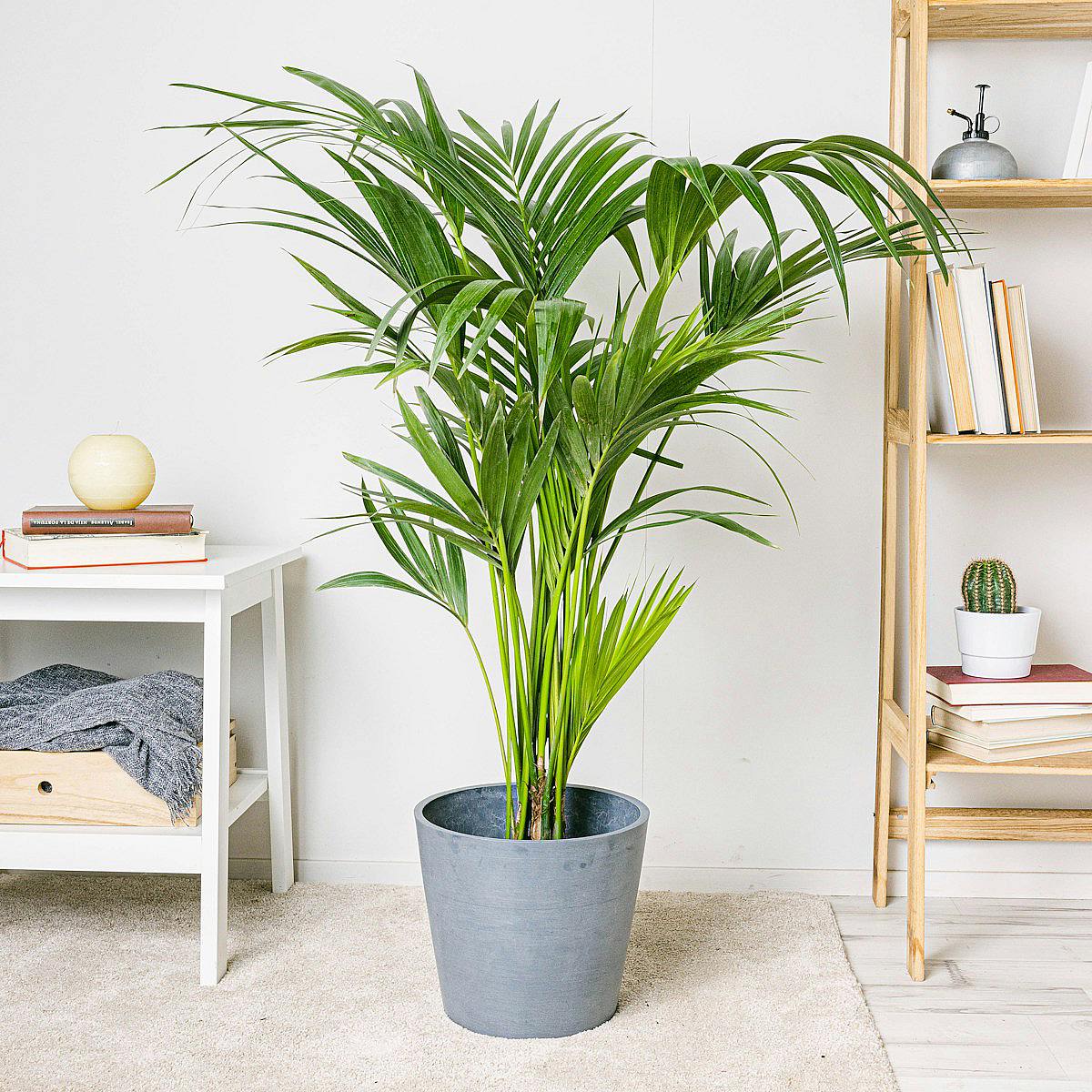
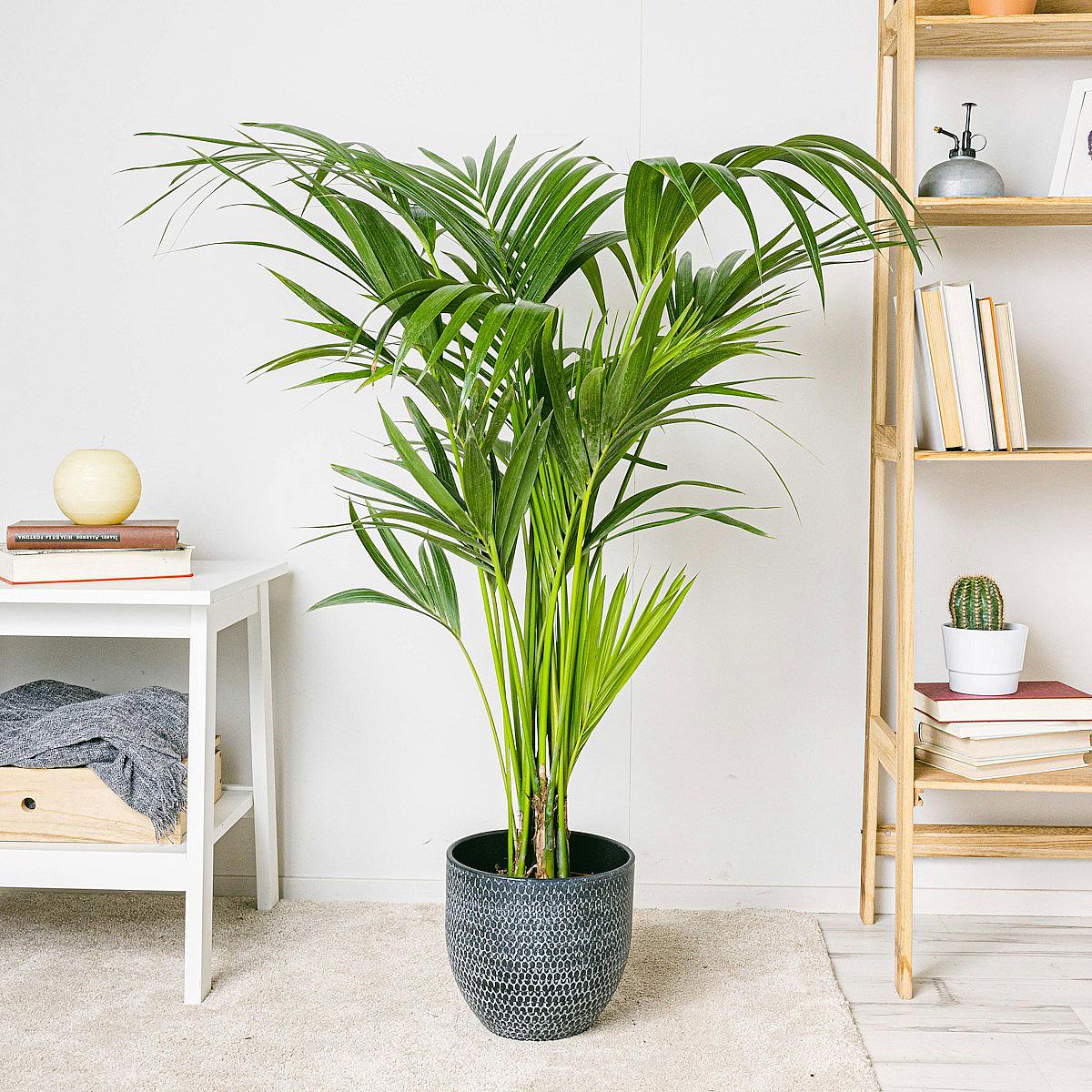
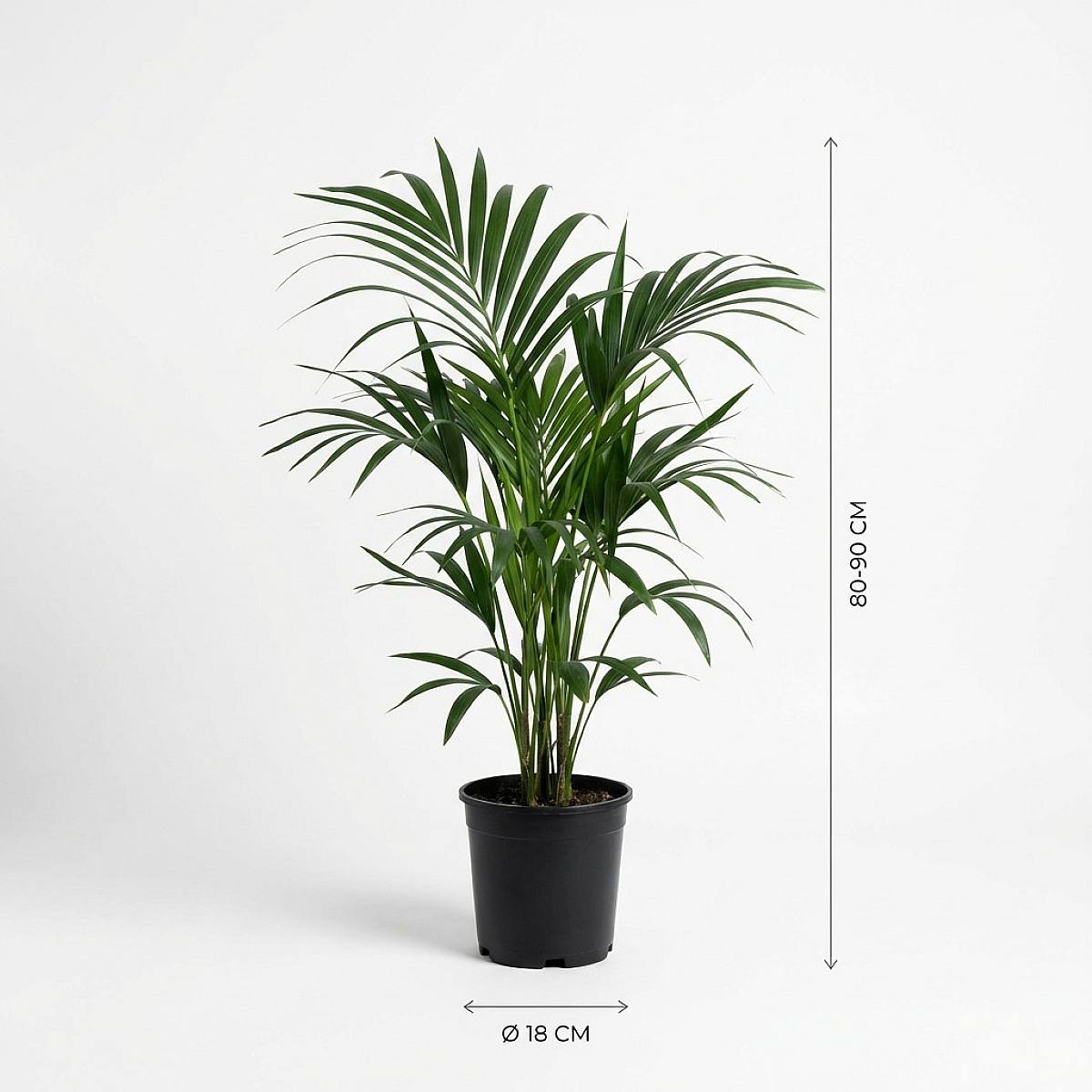
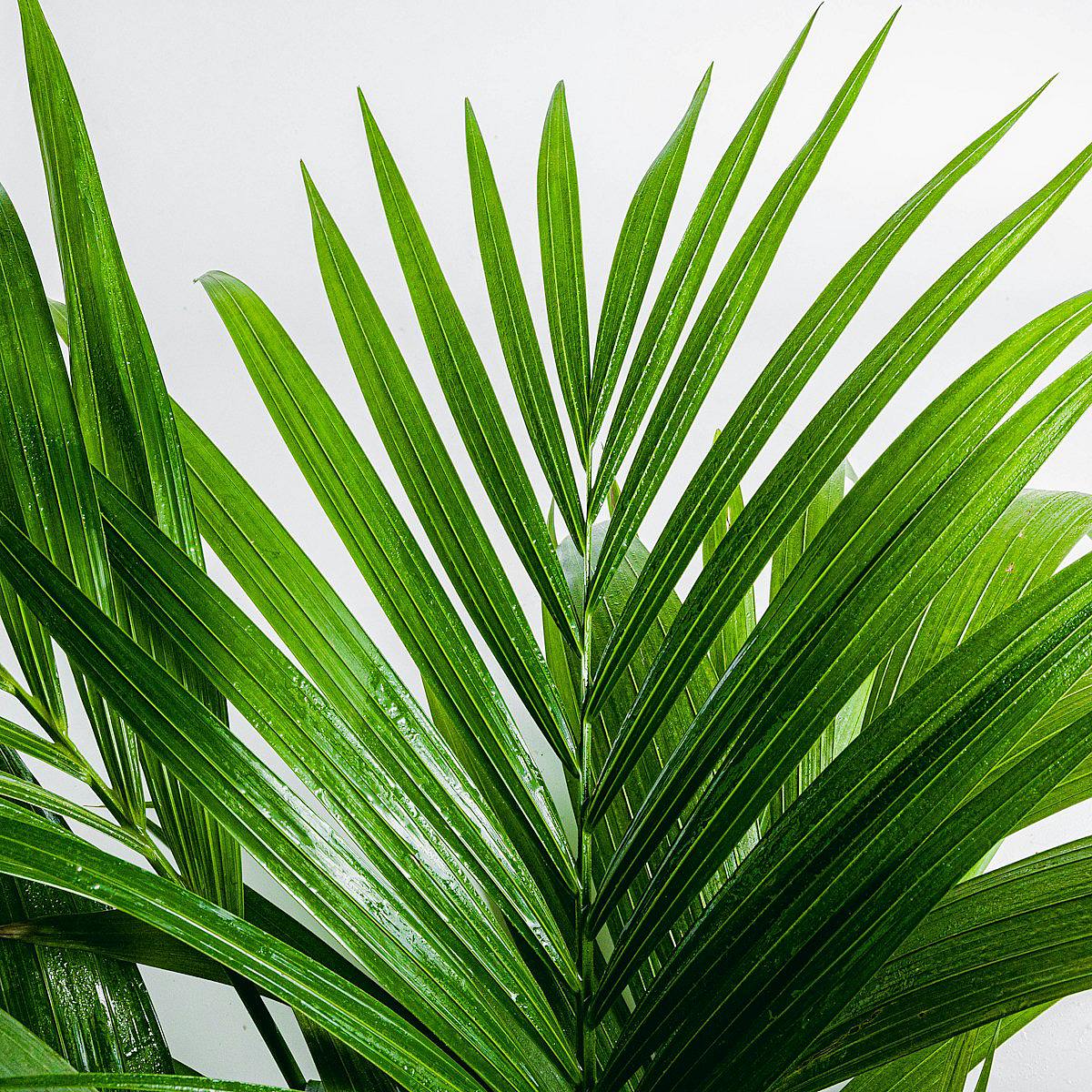

Recommendations
Care
Benefits
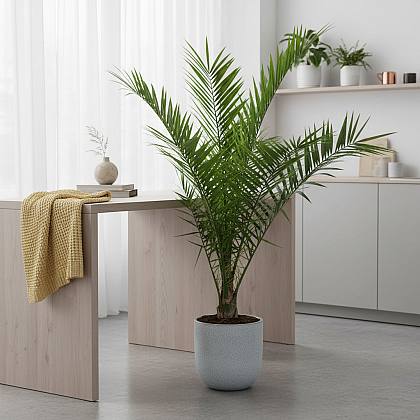
It tolerates low light, dry indoor air, average temperature and irregular watering better than any other palm. It became the palm of the Victorian aristocracy in the 19th century, decorating palaces, hotels and salons across Europe. It remains the most reliable indoor palm option.
No. The kentia is considered non-toxic to dogs and cats. One of the safest large palms for pet households, alongside the parlour palm, areca and bamboo palm.
Yes. Howea forsteriana grows only on Lord Howe Island, a tiny remote islet in the Tasman Sea (Australia), barely 14 km². All commercial kentia worldwide is genetically descended from this island, where it is still seed-collected and grown for export.
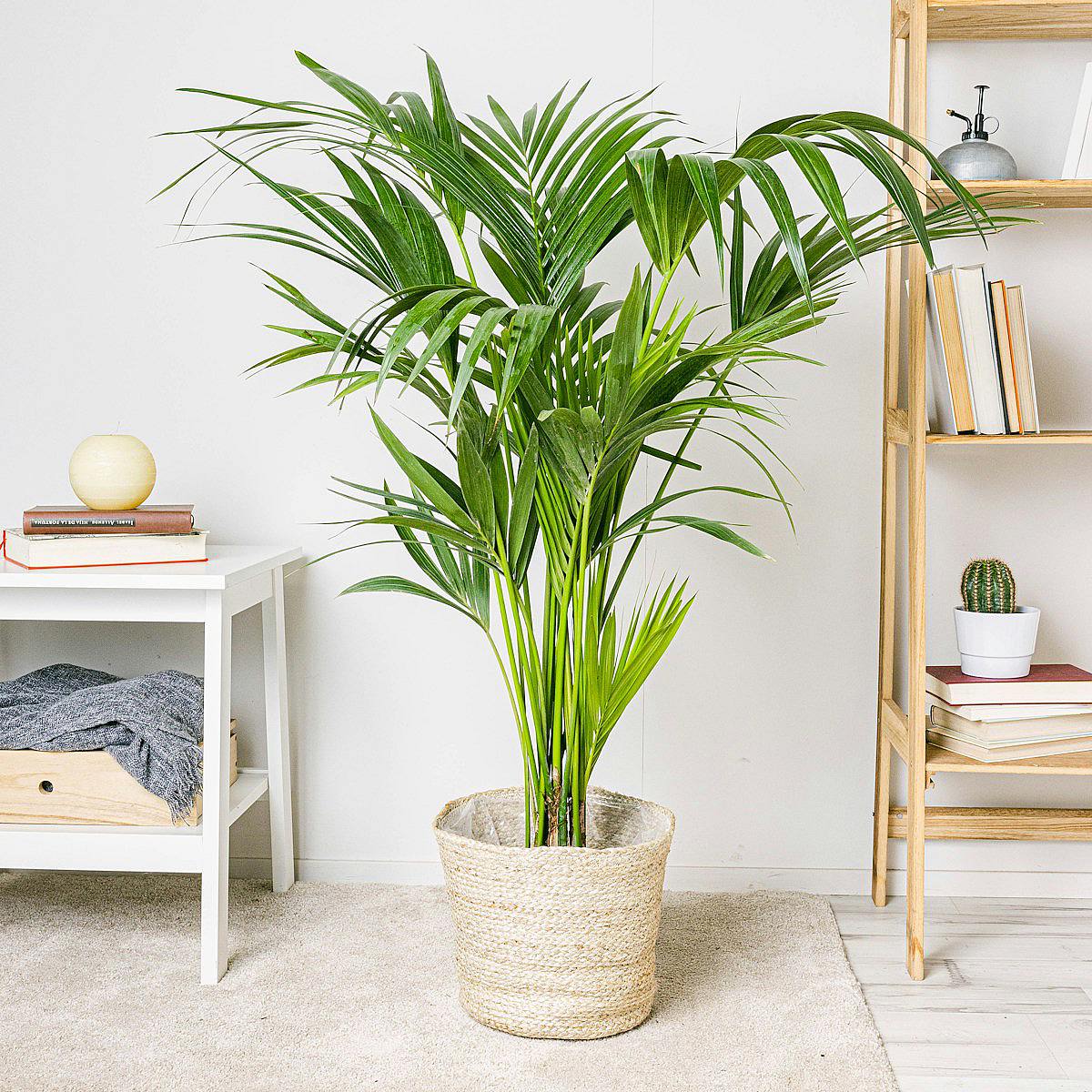
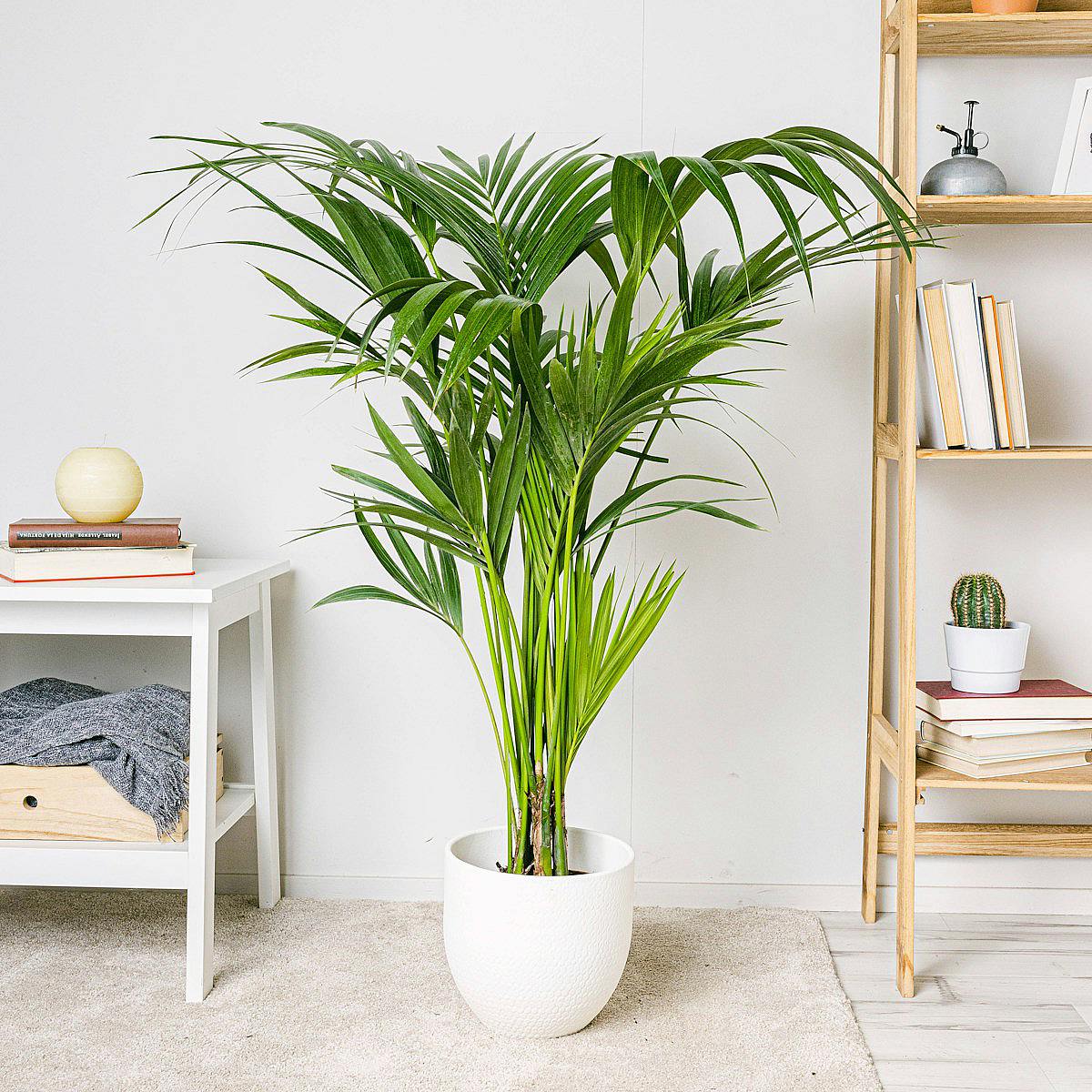
It reaches 2–3 m fairly easily given space and light. In the wild it grows to 12–15 m. Growth is very slow (1–2 new fronds a year), making it a plant of patience: it takes years from a young plant to a large palm.
Two reasons: it grows very slowly (years to commercial size) and comes only from Lord Howe Island, where seed collection is regulated. A 1.5 m kentia can cost several hundred euros, justified by 5–7 years of cultivation.
It tolerates drought better than most palms: it can handle spaced-out watering without stress. Excess water rots the roots. Rule: water only when the top 3–5 cm of substrate are dry. In winter, space watering even more (every 2–3 weeks).
Howea forsteriana. Also known as "paradise palm".
Recommendations
Care
Benefits
It tolerates low light, dry indoor air, average temperature and irregular watering better than any other palm. It became the palm of the Victorian aristocracy in the 19th century, decorating palaces, hotels and salons across Europe. It remains the most reliable indoor palm option.
No. The kentia is considered non-toxic to dogs and cats. One of the safest large palms for pet households, alongside the parlour palm, areca and bamboo palm.
Yes. Howea forsteriana grows only on Lord Howe Island, a tiny remote islet in the Tasman Sea (Australia), barely 14 km². All commercial kentia worldwide is genetically descended from this island, where it is still seed-collected and grown for export.
It reaches 2–3 m fairly easily given space and light. In the wild it grows to 12–15 m. Growth is very slow (1–2 new fronds a year), making it a plant of patience: it takes years from a young plant to a large palm.
Two reasons: it grows very slowly (years to commercial size) and comes only from Lord Howe Island, where seed collection is regulated. A 1.5 m kentia can cost several hundred euros, justified by 5–7 years of cultivation.
It tolerates drought better than most palms: it can handle spaced-out watering without stress. Excess water rots the roots. Rule: water only when the top 3–5 cm of substrate are dry. In winter, space watering even more (every 2–3 weeks).